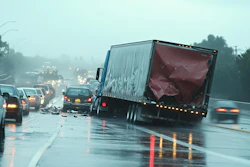











Freight fraud is at an all-time high and the tactics used are constantly evolving.
Based on a report from carrier ID verification firm Highway, fraudulent email attempts increased 117% in 2025 compared to 2024. That's just one of many tactics fraudsters are using to get ahold of freight that isn't theirs.
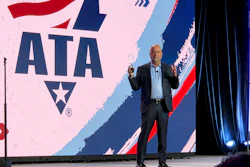
This week on the 10-44 Mark Andres, VP of Operations at ATS Logistics Services, breaks down how criminals have moved from physical "roadside" theft to sophisticated digital identity hijacking.
Contents of this video
00:00 10-44 intro; Evolving Freight Fraud Tactics
00:41 From Physical Theft to Digital Identity Hijacking
03:06 Adapting New Strategies to Prevent Freight Fraud
05:27 Shipment Misdirects
06:58 Identity Verification of Motor Carriers
08:48 FMCSA’s involvement
Matt Cole:
How freight fraud is evolving and how carriers can work with brokers and shippers to mitigate their risk.
Jason Cannon:
Hey everybody. Welcome back to the 10-44. I'm Jason Cannon and my co-host is Matt Cole. Freight fraud's at an all- time high and fraudster's tactics are constantly evolving to continue getting access to freight. The Highway Carrier Identity Verification Firm reported a 117% increase in fraudulent email attempts in 2025 compared to 2024 targeting freight transactions.
Matt Cole:
To address the surge in fraud in the industry, it will take the whole industry to do its part from carriers to brokers to shippers and even regulators.
Mark Andres:
My name is Mark Andres. I'm a VP of operations at ATS Logistics Services. I've been there just a little over 20 years. And ATS Logistics Services was really a all- encompassing logistics provider focused on the United States, but certainly expand with an international reach as well. We really started as a company that was an asset-based company, been around since 1955 and have evolved to really support our customer base, whether that be whatever mode it might be, we want to make sure we have a solution that we can bring to the table. So we're primarily focused on truckload brokerage, but we have reaches in Intermodal and LTL and warehouse operations and a variety of services that we'll offer our customers. When I started or even 10 years ago, the theft was focused on more of that shadowing a shipper, knowing what commodities were coming out of what facilities and then tailing drivers to a truck stop and hoping somebody left something unattended and much more just physical hands-on sort of theft.
The last few years has evolved immensely to being more about fraudulent identity. Somebody either hacking into different systems and trying to make it look like they are part of that carrier, whether it's a new contact information. We saw this with the FMCSA a couple years ago where they got hacked into and carrier information was getting changed in the FMCSA. They corrected that, got that fixed, but you see it in different ways. They try to access, whether you're a broker or a shipper, they try to access somebody's information and change it to look like, "Hey, I'm this person." Or they'll hack into somebody's email. They'll use some sort of phishing strategy to get someone to open an email or click a link. And the next thing you know, the criminal is they're overwatching your email inbox and they can be sitting anywhere. They can be outside the country and doing this sort of hacking activity, identity theft activity.
And then they're using legitimate drivers to go pick it up. So they then turn around and act like someone else and tender a load to a driver and say, "Hey, pick this up, bring it to this warehouse." So the person actually moving the cargo often doesn't even know that they're part of a theft scheme.
Jason Cannon:
From Mark's perspective with the brokerage, he's had a firsthand look at the evolution of freight fraud in the last few years, and even as recent as the last six to 12 months.
Mark Andres:
The theft or fraud is an evolving thing. The industry, whether you're a broker or a shipper or a product, you kind of got to adapt new strategies as well. We talked about fraudulent contact information that happened in the FMCSA. Well, that was a couple years back.That's not really happening anymore. Hacking of emails and really the criminal overacting like they're working with ATS Logistics or a broker, but it's not really the carrier you think it is. That was more prevalent in the last year or so. But really in the last, I would say over the last six months, six to 12 months, it's been reported and we've seen this attempt of more, what I would call direct carrier theft, where they look like a legit carrier. They're somebody you've already been working with and maybe they've sold their MC number to somebody else. So you've got this carrier that's done business with you, maybe not so frequent that you're talking to the person every day, but all of a sudden they sell it to the criminals or the bad actors.
And then the other is maybe they are a legitimate trucking company or they start a legitimate trucking company and operate for a few years. So they look like they truly are doing legitimate moves across the country. Their trucks are connected to ELDs. You have the visibility that tells you everything looks right, and then they make a decision one day that they're going to go rogue. In the matter of a few day span, they might capture a bunch of freight and then disappear. It's important that you know that it's going to evolve. The criminals are going to come up with new tactics or strategies, and it's important that you're doing the same thing, and you can't do it all by yourself. To me, it's like, I'm only so big, I'm only so many people or so many resources. So partnering with a handful of vendors, maybe not just one, but maybe having a couple other sources is important and the industry really has to work together.
Your shipper's got to be on the same page or the customer along with the broker and having those vendors be part of that process is really key because they just have way more insight into the trends. They're gathering so much more data than just what I'm gathering inside of my company.
Matt Cole:
One common tactic fraudsters are using is shipment mysterix in which a carrier might get a call while in transit with a load from someone they believe to be the broker who tells them to take the load somewhere else. Mark offers some guidance for carriers when they get such a call.
Mark Andres:
Probably my first reaction would be is where did the call come from? Is there another verification method? It goes back to making sure they're working with the person they think they are. Now there's different tools out there. I'm sure somebody can mask and call a driver and mask a number to make it look like it's coming from my office or my number. But I would lean back to is reach back out to the person you booked a load with, call that person back and just get that extra verification or even an email. Anytime our team gets a call and something like that seems like something needs to change, I always go back and say, "Well, hey, did you make that outbound call to that person or did they call you? " So just that extra verification, calling back to the broker or shipper that you booked the load with, the number that you're used to working with them on, asking them for, "Hey, can you just follow up and send me an email to verify that everything we just talked about, maybe a new rate confirmation?" Being able to do that probably stops a good chunk of this because the chance of that criminal being able to answer that call or intercept an inbound call and an email, I just feel like you do a couple of those things and you probably quickly prevent the scam from happening.
Jason Cannon:
Identity verification of motor carriers is one way many brokers and shippers are ensuring that their freight ends up in the hands of the correct driver.
Mark Andres:
I think it kind of goes back to, again, a little bit like where did this come from? Is this a carrier that you've worked with before and you're calling them that changes the game completely versus they're calling into you. You just got to be a little bit more cautious in that regard. If it's a newer carrier to your network, how can your vendors help you verify that it is who it should be, that they're operating trucks and where are those trucks so that can you get visibility of that through your vendor? One of our vendors is Highway, so we'll use that in our process. Are there ELDs connected to Highway so that we can see that they're trying to book this load out of Houston and do they have a truck in the Houston market? Along with just direct driver communication. Technology is great at advancing our business, but sometimes that extra slowdown, that call to a driver, just to reconfirm, does he have the right information?
Does he know where he is picking up? Is he where he's supposed to be? So if we've got a carrier that's picking up a load for us and we don't have a consistent relationship where we know that recognize that voice really well, like doing it so frequently, that extra call and then working with the shippers, it's a multi-layered approach. It can't just come back to the brokers right there. So for us, it's important to tell the shippers like, "Hey, here's the transparency and visibility of who's coming in. You should expect ABC Trucking, here's the driver's name, here's who's coming in for your load, approximate ETA." I think that's an important piece that gets overlooked sometimes is that that transparency between broker and shipping facility is important to help really prevent what's happening in the industry.
Matt Cole:
Federal regulators have been vocal in recent months about cleaning up freight fraud. Last month, FMCSA issued a notice telling entities not to sell or purchase USDOT or MC numbers.
Mark Andres:
A few years back, really nothing maybe was ... What was being done wasn't as what's being done today. And I think the FMCSA is real serious about cleaning up some of that stuff. And like I said, it's a multi-layer approach. It takes everyone in the industry, in the supply chain to really help rid ourselves of this. And we got to be diligent. We got to work together to really help protect our cargo and protect ourselves, our companies.
Jason Cannon:
That's it for this week's 10-44. You can read more on ccjdigital.com. While you're there, sign up for our newsletter and stay up to date on the latest in trucking industry news and trends. If you have any questions or feedback, please let us know in the comments below. Don't forget to subscribe and hit the bell for notifications so you can catch us again next week.