










Fleet maintenance networks are turning to hands-on apprenticeship programs as a strategic solution to bridge the widening gap between traditional classroom trade education and modern vehicle technology.
- The Education Gap: Rapid advances in vehicle technology outpace traditional vocational curricula, leaving new techs unprepared for modern, computer-driven fleet maintenance.
- The Industry Strain: Overburdened senior technicians retiring early leave an estimated 30,000-plus unfilled fleet maintenance positions each year across the industry.
- The Apprenticeship Solution: Structured, paid apprenticeship programs combine hands-on shop floor training with classroom certifications to establish a standard skill baseline for new hires.
- Recruiting & Retention Benefits: Apprenticeships expand the candidate pool beyond experienced workers, improve new hire engagement, and allow veteran techs to pass down critical knowledge without burnout.
When the industry talks about the ongoing technician shortage, the conversation usually circles back to the usual suspects: competitive pay, sign-on bonuses and recruiting perks. While selling the job is essential, it overlooks a much larger, structural hurdle — the growing gap between what is being taught in traditional vocational classrooms and what is actually pulling into our bays today.
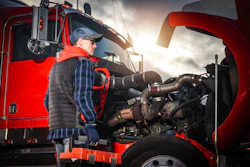
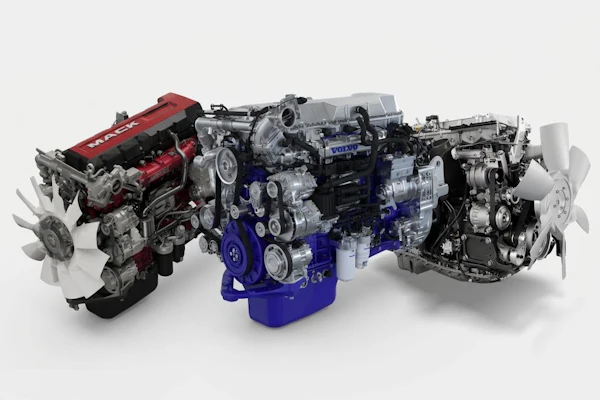
Truck technology is advancing at a breakneck pace. From complex telematics and electronic control modules to advanced powertrain diagnostics, today's commercial vehicles are rolling computers. Traditional trade schools and vocational programs are working hard, but many simply cannot update their curricula or acquire new vehicle models fast enough to keep up.
The result? Even high-performing graduates often arrive on the shop floor facing a steep learning curve. And when you factor in American Transportation Research Institute data showing that nearly two-thirds of incoming techs enter the workforce without any formal vocational training, the burden of education falls directly on the fleet.
Meanwhile, our most experienced, senior technicians are carrying heavier workloads to compensate. Overburdened, many choose early retirement, taking decades of institutional knowledge with them and leaving behind an estimated 30,000-plus unfilled tech positions industrywide each year.
To bridge this gap, fleets across our network are rethinking how they develop talent — and apprenticeships are proving to be one of the most effective solutions on the board.
Practical Learning on the Shop Floor
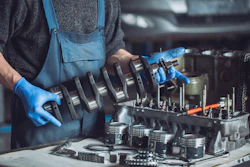
An apprenticeship program isn't just a training initiative; it is an operational strategy. It combines structured classroom work with real-time, hands-on experience under the guidance of a seasoned mentor.
Consider how our member company, Four Star Leasing LLC, a NationaLease member, approaches the challenge. It offers a full-time, three-year apprenticeship program where participants earn a competitive wage while learning the trade. Apprentices receive a dedicated tool set that becomes theirs upon graduation, clear skill-acquisition milestones and formal classroom certifications alongside their on-the-job training.

By standardizing this hybrid learning model, every tech on the floor builds a shared foundational baseline — regardless of their background before stepping through the door.
Elevating Recruiting and Protecting Retention
Integrating an apprenticeship model fundamentally changes how fleets recruit and retain top talent:
- Expanding the recruiting funnel: You no longer need to restrict your talent search to candidates with years of experience under their belt. Apprenticeships allow you to hire for attitude, mechanical aptitude and enthusiasm, while taking responsibility for teaching the technical specifics. Because candidates are paid while they learn, it also removes the financial barrier for career changers who cannot afford to take time off for traditional schooling.
- Boosting new tech engagement: Apprentices get immediate exposure to modern diagnostic equipment, advanced electronics and current vehicle systems. Early wins on the shop floor build confidence, reduce costly repair mistakes and foster a strong commitment to the team early in their tenure.
- Leveraging senior expertise: Instead of burning out your veteran technicians with relentless production quotas, mentorship roles allow them to pass down decades of practical troubleshooting knowledge. Senior techs can transition toward specialized, complex overhauls while mentor-apprentice pairs handle routine preventive maintenance, inspections and initial diagnostics.
Building a Stronger Foundation
Apprenticeships are not meant to replace traditional vocational education; they complement it. Combining hands-on shop experience with technical classroom instruction creates a well-rounded technician capable of keeping modern fleets running with minimal downtime.
If your maintenance operations are feeling the strain of the technician shortage, it may be time to evaluate how an internal training or apprenticeship framework could work for your facilities. Investing in structured, on-the-job mentorship today is one of the single best ways to protect your uptime tomorrow.