










The American Trucking Associations on Thursday applauded the Environmental Protection Agency's (EPA) call for the elimination of engine deratement for diesel exhaust fluid (DEF) system failures and the course reversal concerning extended manufacturer warranties and aftertreatment system useful life limits.
However, not all concerned parties embraced all the parts of EPA's amendments to its nitrogen oxides emissions standards for heavy-duty vehicles for the coming model year.
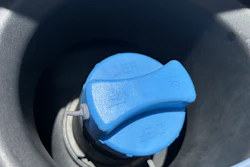
EPA's proposal modifies implementation provisions of a landmark 2022 rule targeting model year 2027 and later vehicles. Most notably, the EPA plans to eliminate power reduction inducement that forces trucks to slow down or stop when DEF runs low or equipment malfunctions beginning in model year 2029. It also reverses useful life requirements and extended emissions warranty periods from the prior rule.
While the EPA claims the changes will smooth out implementation, the proposal united normally opposing factions of the transportation sector in opposition, though for different reasons.
Fuel marketers warned the sudden regulatory shift would disrupt a multiyear effort to stabilize the DEF market. NATSO, representing truck stops and travel centers, and SIGMA, representing fuel marketers, questioned the agency's decision to alter rules before recent federal guidance documents issued in 2025 and early 2026 could take full effect.
"Allowing ample time for existing guidance to penetrate the market will minimize unnecessary and punitive deratements for diesel vehicles while ensuring that Selective Catalytic Reduction technology remains an essential part of every truck manufacturer's investment and compliance strategy," said David Fialkov, head of government affairs for NATSO and SIGMA.
Indeed, OEMs within just the past few weeks have announced software patches that ease speed-limiting safeguards in response to revised federal environmental guidelines.
Fialkov added that the new proposal threatens to invite consumer confusion, decrease DEF availability, and increase prices, calling the administration’s sudden shift "counter-productive."
Small-business truckers expressed a different set of anxieties, focusing more heavily on changes to vehicle warranties. The Owner-Operator Independent Drivers Association (OOIDA) cautioned that cutting extended warranty periods would leave independent drivers vulnerable to the higher costs of emissions-system breakdowns.
“Truckers know all too well that poorly implemented emissions regulations result in breakdowns, costly downtime, and ultimately set back the goal for cleaner air,” said Jay Grimes, OOIDA’s director of federal affairs.
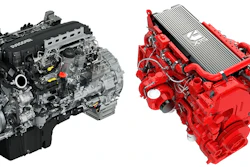
Grimes noted that while permanent derate flexibility is helpful, it is not enough to offset the financial risk of buying new trucks. “We urge EPA to maintain the 450,000-mile warranty coverage for heavy-duty vehicles as MY2027 approaches,” Grimes said.
Clean transportation advocates also panned the revisions, warning that weakening the durability and enforcement mechanisms of the 2022 standards would backfire.
Michael Berube, CEO of the clean transportation consortium CALSTART, praised the EPA for retaining the baseline tailpipe stringency but warned that the proposed amendments risk introducing market uncertainty for manufacturers and fleets alike.
“Weakening the durability, warranty, and inducement provisions that support real-world performance could jeopardize long-term emissions reductions, increase danger to public health, and undermine confidence in the technologies needed to deliver cleaner freight today,” Berube said.