










Government leaders from along the U.S. West Coast, Canada and Mexico announced a cross-border initiative Wednesday to build a zero-emission commercial charging network along Interstate 5, spanning from Vancouver, British Columbia, to Baja California.
The British Columbia to Baja California Zero-Emission Vehicle Corridor (BC2BC), aims to allow heavy-duty electric and hydrogen freight trucks to travel the length of the Pacific Coast.
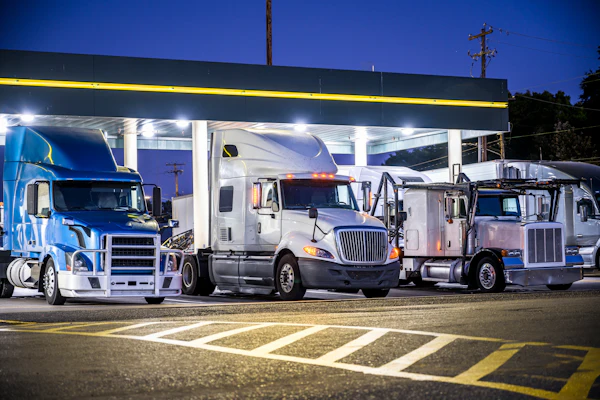
The initial buildout, backed by leaders in California, British Columbia, Oregon, Washington, and Baja California (Mexico), calls for 20 electric charging stations and three hydrogen fueling hubs along the I-5 freight route, which sees an average daily traffic volume of nearly 10,000 trucks.
"With global fuel prices driving up the cost of moving goods, partnerships like this are more critical than ever to strengthen our economies and advance Governor Newsom's zero-emission transportation goals," California Transportation Secretary Toks Omishakin said. "The BC2BC Corridor is a groundbreaking effort that brings cross-border partners together to build a cleaner, more connected freight network for all."
The corridor initiative is backed by the California State Transportation Agency, the clean-transportation consortium CALSTART and the University of California, Davis Institute of Transportation Studies.
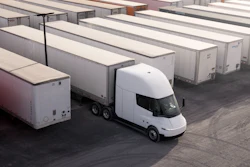
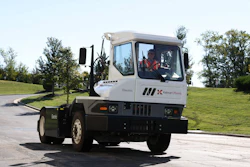
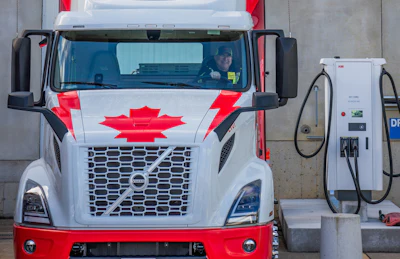
Industry representatives, including Volvo Group North America, Tesla, Southern California Edison, EV Realty, King Fio Trucking and IMC Logistics, participated in the launch Wednesday at the Port of Long Beach where zero-emission commercial rigs from Volvo, Tesla and ZM Trucks were also on display.
"Freight corridors are where electrification can deliver real operational value at scale," said Aravind Kailas, advanced technology policy director at Volvo Group North America. "By aligning charging infrastructure, technical standards, and planning across jurisdictions, the BC2BC initiative can give fleets greater confidence to plan routes, maintain uptime, and make long-term investment decisions."


Port leaders framed the agreement as a vital milestone toward meeting long-term emissions targets while accommodating freight growth.
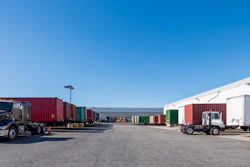
"The Port of the Future will need new, innovative technologies, energy sources, and sustainable practices to realize our goals of doubling our annual cargo volume to 20 million containers by 2050 and becoming the first zero-emission port in North America," said Noel Hacegaba, chief executive of the Port of Long Beach.
Following Wednesday's launch, technical working groups representing California, Oregon, Washington, British Columbia and Baja California will begin a series of coordination sessions to establish uniform equipment standards and align regional public investments.
The project will also integrate into the California Department of Transportation's California-Baja California Border Master Plan.