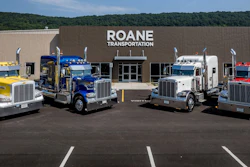











Wilson Logistics, a family-owned transportation and logistics company based in Springfield, Mo., will soon be using a platooning technology that will allow its drivers in trailing vehicles to go off duty while in motion.
The company is partnering with Locomation, a trucking technology platform that offers human-guided autonomous convoying. The agreement is for a three-year pilot test and will put Locomation’s autonomous technology on the road across several critical Wilson Logistics shipping routes.
Locomation will employ its Autonomous Relay Convoy (ARC) technology on 11 separate Wilson Logistics ARC segments. ARC allows one driver to pilot a lead truck equipped with technology augmentation while a follower truck operates in tandem through Locomation’s fully autonomous system. This allows the follower driver to log off and rest during this time.
Each ARC segment is engineered for maximum yield by Locomation’s business operations team headed by industry veteran Tom Kroswek.
“Our work with Locomation will mark a significant step forward for Wilson Logistics,” said Darrel Wilson, chairman and CEO of Wilson Logistics. “Not only will we improve asset utilization and network efficiency, but we’ll make great strides in reducing our energy spend while improving safety. It also makes the truck a much better place to work for our team of professional truck drivers.”
The deal is part of Wilson Logistics’ initiative to improve the driver experience while boosting profitability through technology.
Locomation will provide a two-truck convoy with safety staff and will work in tandem with the Wilson Logistics operations team to execute the most efficient freight movements possible. The company says that full commercialization of Locomation’s autonomous vehicle technology is expected to produce an estimated 33% reduction in operating cost per mile, 8% reduction in fuel expense, and remove 41 metric tons of carbon dioxide from the air per tractor annually.