










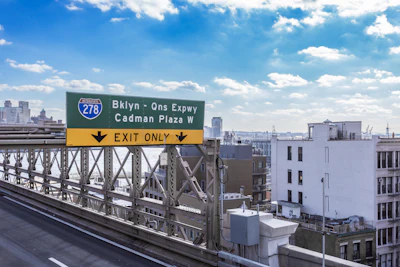
NYC's planned $4 billion BQE Central rehabilitation will extend the highway’s design life by 40 years while maintaining continuous vehicle and freight movement via temporary bypass roadways.
- Scope and Timeline: The 10-year, $4 billion project targets the 1.5-mile, city-owned "BQE Central" section between Atlantic Avenue and Sands Street, breaking ground in 2030 to extend the roadway's design life by 40 years.
- Bypass Strategy: NYC DOT will construct two temporary elevated bypasses along Furman Street and near bridge approaches to keep traffic moving and prevent 130,000 daily vehicles—including 13,000 commercial trucks—from spilling onto neighborhood streets.
- Freight Industry Support: Backed by the Trucking Association of New York, the initiative addresses decades of wear along a vital Northeast corridor where inaction has added an estimated $160 million annually in escalation costs.
- Environmental Review & Multimodal Shift: The city will launch the environmental review this fall ahead of a 2028 impact statement, while coordinating with state programs to shift freight movement toward rail, waterways, and cargo bikes.
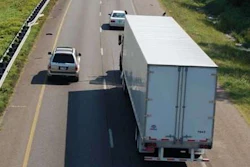
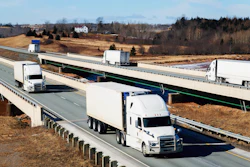
Freight haulers dodging the deteriorating Brooklyn-Queens Expressway (BQE) got a temporary reprieve Monday as city officials announced a $4 billion overhaul designed to keep more than 13,000 daily commercial trucks from being diverted onto neighborhood streets.
The 10-year rehabilitation targets BQE Central, a 1.5-mile, city-owned segment running from Atlantic Avenue to Sands Street. Built during the mid-20th century to accommodate less than half of its current 130,000 daily vehicles, the triple-cantilever highway has exceeded its design lifespan by two decades, raising regional supply chain alarms.
“The BQE is an essential freight corridor for the New York City metropolitan area and the broader Northeast, carrying more than 13,000 vital truck trips each day,” the Trucking Association of New York said in a statement backing the plan. “Following years of deterioration along this critical artery, the Trucking Association of New York is pleased to see the Mamdani Administration’s commitment to rehabilitating BQE Central.”
To prevent disruption to freight traffic and neighborhood safety during the decade-long overhaul, the city plans to construct temporary bypasses to keep traffic flowing on the highway rather than detouring it into residential areas.
Work will include a temporary, two-level highway bypass on top of Furman Street, running below the Brooklyn Heights Promenade from Atlantic Avenue to Columbia Heights. A second temporary, elevated bypass will extend from Columbia Heights over the Brooklyn Bridge approach to the Manhattan Bridge.
“Previous proposals demonstrated the importance of avoiding short-term repairs or roadway changes that divert truck and passenger traffic from the BQE onto local streets,” the Trucking Association of New York noted, adding that the bypasses “can help maintain the flow of goods and allow our industry to continue serving the needs of the region safely and efficiently throughout construction.”
City officials warned that years of political inaction had put the regional freight network at imminent risk.


“Without significant rehabilitation, BQE Central will continue to weaken, more and more cars and heavy trucks will be forced onto local streets, key freight transportation networks will be disrupted and the cost to the City will continue to rise,” said Deputy Mayor for Operations Julia Kerson.
Each year of delay has added roughly $160 million in cost escalation while increasing the danger of an emergency shutdown that would redirect all 13,000 daily truck trips onto municipal surface streets.
“For decades, prior administrations have failed to deliver urgent long-term repairs to BQE Central — but we can no longer afford to wait for the perfect solution,” Mayor Zohran Kwame Mamdani said. “We’re going to fix the aging concrete, repair the deteriorating triple cantilever and build temporary roads that keep the highway operable during construction to avoid sending tens of thousands of cars and trucks onto local streets.”
The rehabilitation project is slated to break ground in 2030 and will extend the lifespan of BQE Central by 40 years. City environmental review begins this fall, with an environmental impact statement expected by summer 2028.
Alongside the highway project, the city and state are advancing complementary freight and transit initiatives intended to ease road congestion, including investments to shift goods movement from heavy trucks to waterways, rail networks and cargo bikes.