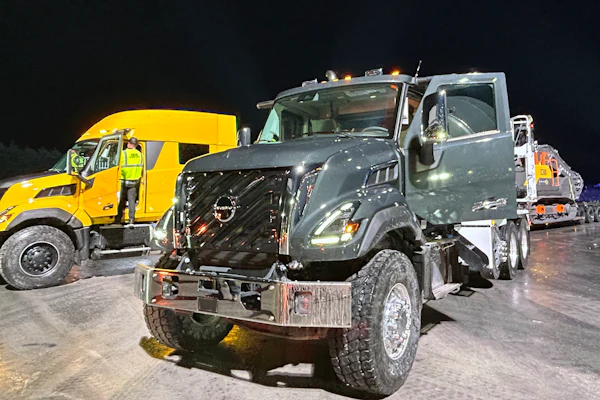
A truck driver pulls up to the dock, ready to load a high-value shipment. The staff at the dock verifies the carrier’s email address and jots down the motor carrier number on the side of the truck. It all checks out. But what no one realizes is cybercriminals already infiltrated the legitimate carrier’s email system days earlier, using spoofed communications and stolen credentials to compromise the load. The truck drives off. Hours later, the call comes in to the dock: A fraudster is holding the cargo hostage.
This all-too-familiar scenario plays out with alarming regularity. Cargo theft cost the trucking industry $725 million last year alone. The common denominator is cybercrime, which now accounts for half of all strategic theft incidents. Criminals are no longer relying solely on physical theft. Instead, they are exploiting weak passwords, compromised email accounts and gaps in digital verification processes to impersonate legitimate carriers and manipulate shipments. As fleets grow more connected, trucking company owners must ramp up their cybersecurity capabilities or risk costly losses that can make them uninsurable or even put them out of business.
Follow the money
The average cargo theft is worth $273,990, and that high-value price tag is why trucking companies sit squarely in cybercriminals’ bullseyes. Fraudsters typically rely on two deceptive tactics to pull off these thefts. One is email spoofing, which involves creating a phony email address to impersonate brokers, shippers or employees. The other is phishing, where criminals try to trick a motor carrier into submitting valid login credentials for a company’s transportation management system or other freight-tracking programs.
Once fraudsters are in, they can execute any number of crimes, from load fraud and double-brokering to cargo extortion. The pain compounds quickly for motor carriers. Multiple thefts can lead to millions of dollars in stolen cargo. Fleets can wind up paying for loads they never accepted. And from an insurance perspective, if the legitimate carrier’s DOT number appears on the bill of lading, the motor carrier will be liable for the claim even if they never touched the freight. Add it all up, and a fleet could lose customer trust, forfeit contracts and go out of business.



How fleets can protect themselves
Electronic logging devices, or ELDs, represent the first and best line of defense against cargo theft. Continuously connected ELDs provide multiple real-time data points, including time and date, location, driver information, duty status and vehicle data that are difficult for fraudsters to duplicate. Brokers and shippers who verify ELD data before releasing a load can match the right truck to the right shipment and foil attempts at load fraud or double-brokering.
ELD data alone, however, isn’t enough. That’s because it’s nearly impossible for staff to continuously monitor the hundreds of data points that ELDs provide. For this reason, motor carriers should also build AI-driven logic into their systems. Using algorithms that predict a truck’s routes, travel times and stops, then flag any anomalies, can alert shippers and brokers to route deviations in real time, adding an extra layer of fraud prevention.
Some companies are wary of sharing sensitive ELD data with brokers, shippers and insurers, but a few common-sense tactics can help secure that data. Motor carriers should require multifactor authentication on all systems, requiring an app, PIN, email code or biometrics for access in addition to a password. Those passwords should be long (16 or more characters), complex (use special characters and a mix of capital and lowercase letters), and changed every 90 days. Companies should also remove all employees who leave the company from their systems immediately to protect against potential revenge by disgruntled ex-workers.
Fight cybercrimes with technology
Cargo theft isn’t new, but the methods fraudsters use today to perpetrate it are far different from those used 20 years ago. Motor carriers that understand how cybercriminals operate, teach their employees to recognize the signs, and use connected technologies to verify shipments can avoid the devastating consequences that a single stolen load can cause.