










Trucking news and briefs for Monday, April 20, 2026:
Averitt to deploy 10 battery-electric yard tractors at Tennessee terminals
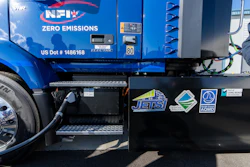
Averitt (CCJ Top 250, No. 25) will deploy battery-powered electric yard tractors at service centers across Tennessee, supported by the state’s Medium- and Heavy-Duty Vehicles Grant Program.
 Through the initiative, Averitt will introduce 10 TICO electric yard tractors and associated charging infrastructure at key locations across Tennessee, letting the company test efficiencies and the impact of electric yard tractors in their operations. Averitt
“This is an exciting step forward in our sustainability journey,” said Doug Lloyd, vice president of corporate services at Averitt. “By integrating electric yard tractors into our operations, we are reducing our environmental impact while continuing to support the needs of our customers. Programs like this allow us to take meaningful action today while building toward a more sustainable future.”
Averitt’s participation in the grant program aligns with its ongoing commitment to sustainability, which includes investments in fuel-efficient equipment, innovative technologies, and initiatives designed to reduce emissions and conserve resources, the company said, adding the these efforts are part of a strategy to operate responsibly while delivering consistent, dependable service to customers.
Nebraska’s wildfire HOS exemption extended again
After issuing a two-week extension to an emergency declaration in response to wildfires in Nebraska late last month, the Federal Motor Carrier Safety Administration is tacking on another month of regulatory relief for truck drivers hauling relief-support loads.
The declaration was first issued by Nebraska’s governor on March 16 and waived hours of service restrictions and adjusted maximum load width/weight limits allowed for certain carriers operating in the state. FMCSA extended the declaration on March 30 for two weeks through April 14.
On April 10, 2026, Nebraska officials requested a second extension of the emergency relief from federal hours-of-service regulations. Because emergency conditions have not abated, FMCSA issued the extension, granting HOS relief through May 14.


Under terms of the declaration, motor carriers and drivers providing direct assistance to the emergency in Nebraska are granted emergency relief from the maximum driving time regulations in 49 CFR 395.3.
The regulatory relief applies regardless of the origin of the trip, so long as the carrier or driver is providing direct assistance to the emergency. Direct assistance does not include transportation related to long-term rehabilitation of damaged physical infrastructure after the initial threat to life and property has passed. It also does not include routine commercial deliveries, including mixed loads with a nominal quantity of qualifying emergency relief added to get the benefits of the declaration.