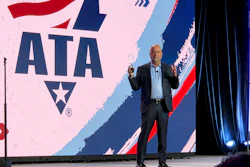











The trucking industry is facing a dual challenge of skyrocketing nuclear verdicts and surging insurance premiums, prompting industry experts at the ACT Expo in Las Vegas on Wednesday to sound the alarm on the need for increased technology adoption and consistent risk management.
The trend is startling: nuclear verdicts—jury awards exceeding $10 million—against corporations rose 235% between 2011 and 2019. The median nuclear verdict against corporations jumped from $21 million in 2020 to $51 million in 2024.
Alex Leslie of the American Transportation Research Institute (ATRI) identified several trends driving these awards, including medical inflation, third-party litigation financing, and effective plaintiff tactics in state courts, where juries are often perceived as more biased than in federal court. A significant factor is jackpot justice in the upper 50% of cases, where the average annual award is increasing by about 5.7% annually—two to three times the rate of inflation.
These massive payouts have changed the game for fleets and insurers alike. Logan Payne, senior vice president and Director of Global Technology Practice for Lockton Companies, the world's largest independent insurance brokerage, said underwriters are looking for things now that they might have overlooked just five years ago.
"We see a boom and bust cycle where insurers enter the market and then leave after losing their shirts because they didn't have great data," Payne said. "Five years ago, questions about cameras or telematics were just hurdles to clear. Today, it’s a dynamic, real-time conversation. They don't just want to know if you have the data; they want to know what you are doing with it to coach drivers and improve safety outcomes."
Technology as a shield
In response to these rising costs, insurers are increasingly demanding the use of safety technology. Samsara's Insurance Partnerships Account Manager Weston Dickson noted that while cameras were a recommendation four years ago, they are now "almost table stakes."

"Insurers are shifting from looking at adoption to utilization. Rear-end collisions are a top claim cost, and telematics can provide leading indicators—like following too closely or distracted driving—to reduce that risk," he said. "A 3% premium increase versus a 12% increase can essentially pay for your camera investment."
It’s hard to find a fleet today that doesn't have some cameras or telematics, Payne added. "The low-hanging fruit is really the story you tell the insurer. It’s not just, 'We invested in X'; it’s, 'Here is our trend line since we installed it and how we've integrated it with HR, legal, and safety to be a better risk.'"
The issue isn't usually technology adoption; it's driver utilization and coaching, said Tim Bauer, vice president of sales and business development for the Global Aftermarket Group at Eaton Mobility. "Fleets have a glut of data and are often left making their own decisions on how to deploy it," he said. "We’re trying to help them improve coaching with metrics like time to collision to give drivers advanced notice."
Technology is only a shield when it works. Bauer noted that drivers often don't trust solutions if they trigger frequent false alerts. "We need to pull drivers into the solution and listen to their feedback to ensure they actually use the systems," he said.
AI in defense
Technology providers have increasingly turned to AI agents in the cab to coach drivers in real-time, specifically for fatigue, which is a top cause of nuclear verdicts.
"Regarding dash cams, if you don't have them, plaintiff attorneys will use that against you, claiming you fall below the reasonable standard of care," Dickson said. "If you have them but don't manage the data, you're also vulnerable because you knew the risk and didn't act. The best option is to actively manage the data to change the courtroom narrative from corporate negligence to a fact-specific incident."
When an incident happens, Leslie said it's absolutely critical to lean into the facts and the facts alone, and he warned against "opining" in post-crash documentation. "A single bit right there concedes the entire defense," he said, referring to off-handed remarks in reports that might admit negligence without a full investigation.
"A safety manager writing, 'Didn't stop on time' can concede the entire defense on day one. Also, over-documenting or creating a paper trail of coachable incidents that weren't actually issues can be used by plaintiffs to show a pattern of ignoring problems," Leslie added. "Consistency is essential—if you say you’re going to document something, do it every time."
Many fleets think increasing deductibles or starting a captive will save them, but Payne said the real threat isn't the frequency of small claims; it's the severity of the $100 million losses. "You have to balance your total cost of risk—premiums plus retained losses—and see if you have the internal expertise to handle those claims better than an insurer," he said.