










Understanding the specific nuances of independent contractor models helps motor carriers build resilient risk management strategies and avoid coverage gaps for drivers.
- Diverse Operating Models: Motor carriers utilize various workforce structures—including employee fleets, owner-operators, contract drivers, and fleet owners—each dictating distinct operational controls.
- Regulatory & Geographic Complexities: Worker classification rules and legal tests (such as ABC or economic realities tests) differ significantly by state, impacting how carriers manage independent contractors.
- Tailored Work Injury Protection: While traditional workers' compensation fits employee fleets, alternative models often require specialized options like occupational accident insurance or contingent liability coverage.
- Proactive Risk Management: Aligning insurance programs and contracting chain responsibilities helps motor carriers minimize coverage gaps and support long-term business sustainability.
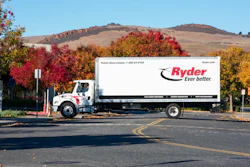
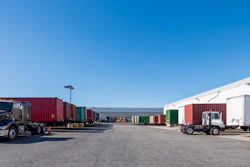
To a motorist traveling alongside an 18-wheeler, a truck is just a truck. But beneath its colorful cab and company logo is a business structure that may look very different from one motor carrier to another.
The truck driver behind the wheel could be an employee driver, an owner-operator, a fleet owner, a contract driver, or even part of a complex network of independent contractors. All of these models have significant implications for how motor carriers operate, manage risk, and provide workplace injury insurance protection.
As freight demand fluctuates and regulatory requirements evolve, carriers must routinely evaluate how their operating structure aligns with their business objectives and long-term growth strategy. A critical part of that evaluation is ensuring that insurance and workplace injury protection programs accurately reflect business operations and workforce relationships.
Operating models: One size doesn’t fit all
Not all motor carriers are created the same. Each has unique characteristics that dictate the business model, or combination of models, they ultimately operate under:
- Employee fleet: The motor carrier employs drivers directly and maintains a higher degree of direction and control over day-to-day operations and safety practices.
- Owner-operator model: An individual owns or leases a truck and contracts directly with a motor carrier to provide transportation services.
- Contract drivers: Some independent contractors provide driving services without owning the equipment they operate. The truck may be owned by an owner-operator or a fleet owner.
- Fleet owners: Typically own multiple trucks and contract with a motor carrier to provide transportation services. A fleet owner may also operate as an independent contractor driver while employing additional drivers to operate their equipment.
- Agent model: A local agent may recruit and oversee drivers on behalf of a motor carrier. Agents may also utilize subcontractors, helpers, loaders, or other workers to fulfill contractual obligations.
- Broker-carrier model: Some transportation companies operate as motor carriers for certain shipments while subcontracting other loads to separate authorized carriers. The downstream carrier may utilize employees, owner-operators, or contract drivers.
- Lease-purchase model: A driver leases equipment through a motor carrier or an affiliated entity while providing services for the carrier.
Factors that influence operating models
Several factors influence a motor carrier's choice of operating model, including scalability, capital investment, seasonality, contractual requirements, and geographic considerations.
For carriers experiencing seasonal fluctuations or changing market demands, owner-operators or agent-based models may provide the flexibility needed to increase or decrease driver capacity as freight volumes change. Conversely, carriers that invest heavily in specialized equipment may prefer an employee-driver model that allows for greater equipment and operations oversight.
Contractual requirements can also play a significant role. For example, certain government contracts may require freight to be hauled exclusively by employee drivers, making an employee-based model necessary.
Geographic location and worker classification standards are equally important considerations. States differ significantly in how they evaluate independent contractor relationships. Generally, some states provide greater flexibility for owner-operator arrangements, while others apply stricter standards that favor employee classification. Depending on the jurisdiction, worker classification may be evaluated using:
- A common-law right-to-control test
- An economic realities test
- An ABC test
- A state-specific workers' compensation test
- Special statutory provisions or exemptions applicable to owner-operators and motor carriers

Designing work injury protection around the operating model
For employee-based fleets, work injury protection is generally more straightforward, with workers' compensation typically serving as the primary source of coverage. Other operating models, however, can be more complex.
An insurance program should reflect the operating structure and applicable legal requirements. A useful starting point is identifying who should be covered, the relevant contractual relationships, who makes and receives payment, who enrolls and unenrolls workers, who remits premium, and whether any workers must be covered by workers' compensation.
Consider whether protection should extend beyond owner-operators to contract drivers who do not own their equipment, downstream contractors working for fleet owners, team drivers, helpers, and other non-driving personnel. Additionally, note the work those individuals perform, which may include loading and unloading, inspecting or maintaining equipment, or assembling goods. Disability and other benefits should also be structured, when appropriate, to reflect workers' earnings.
Outside of workers' compensation, occupational accident insurance is an effective option for certain workers operating outside a traditional employer-employee relationship. The insurance provides flexibility in structuring work injury coverage for various operating models, offering benefits such as accident medical coverage, disability benefits, accidental death benefits, and other limited benefits, subject to applicable policy terms, conditions, exclusions, and limitations.
Motor carriers may also wish to consider contingent liability coverage, which may respond in certain circumstances when an injured independent contractor alleges employee status. Depending on the applicable policy and claim, such coverage may provide defense and indemnity protection to the motor carrier. Neither occupational accident insurance nor contingent liability eliminates the need for workers' compensation where required by law.
Strengthen risk management strategy
Effective risk management begins with understanding who performs the work and where responsibilities lie throughout the contracting chain.
Motor carriers that align their insurance programs with their workforce structure may be better positioned to reduce coverage gaps and support long-term business growth. Partnering with insurance professionals, including carriers and brokers who understand transportation operations and complex workforce structures, can help support a comprehensive and sustainable risk management strategy.