










Despite higher freight rates and top-line revenue gains in the second quarter, Covenant Logistics experienced margin compression from non-recurring legal and fleet upkeep costs.
- Revenue vs. Margin Split: Consolidated freight revenue rose 6.6% year over year to $294.7 million, but adjusted operating income fell 19% to $12.2 million due to elevated operational expenses.
- Cost Headwinds: A high volume of settled legal claims, higher tractor maintenance, and unreduced overhead reduced second-quarter profitability by approximately 8 cents per share.
- Contractual Pivot: Covenant shifted 15% of its Expedited fleet into multiyear committed agreements as part of its overarching strategy to reduce exposure to volatile freight cycles.
- Upcycle Outlook: Management projects steady sequential earnings gains in the second half of 2026 as rate increases phase in and unusual legal and maintenance costs normalize
While Covenant Logistics (CCJ Top 250, No. 36) top-line freight revenue surged 6.6% to $294.7 million in the second quarter of 2026, operational cost spikes pulled consolidated adjusted operating income down 19% to $12.2 million.
On an earnings call with investors and analysts, executives pointed to a convergence of legal settlements, fleet maintenance, and external regulatory rulings that squeezed margins despite improving freight rates.
"Maintenance and insurance claims together were approximately 8 cents per diluted share higher than our expectations and historical averages," said David Parker, Covenant Logistics' chairman and chief executive officer. "We made constructive changes on the revenue side of the business, but our costs disappointed us in the quarter."
While total freight revenue increased 6.6% year over year to $294.7 million, elevated insurance claim settlements and maintenance expenses pressured operating margins, offsetting top-line revenue gains.
A spike in claims and mediations
Self-insurance retention levels exposed the company to quarterly cost swings. A high volume of settled legal claims in the second quarter added significant friction to segment performance.
Covenant President Paul Bunn noted that elevated insurance claims and maintenance expenses added 1.5 to 2 percentage points of excess cost to the operating ratios of both the Dedicated and Expedited truckload segments. Bunn framed the spike as a deliberate, volume-based push to clear liability off the books.
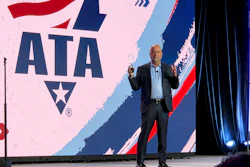
Truck insurance premiums remain a significant burden for fleets, ranking as their fourth-largest vehicle-related expense behind fuel, equipment payments, and maintenance, according to a recent study conducted by the American Transportation Research Institute (ATRI). Rising financial pressure is driven by the cost and severity of accident claims rather than how often collisions occur. Inflation-adjusted liability losses per mile jumped 33.1% between 2021 and 2024, propelled by social inflation and multi-million-dollar nuclear verdicts.

Thanks to lingering higher operating costs and extended periods of lower freight rates, Chad Krueger, vice president and managing director at Central Analysis Bureau (CAB) by Fusable, said fleets are doing anything they can to reduce their insurance costs.
"In this litigious environment, if you can get a mediation and get it settled... that’s what you do," Bunn added.
Excess claims and maintenance costs dragged down second-quarter profitability by approximately 8 cents per diluted share beyond company projections and historical run rates. Management warned that self-insurance retention will keep quarter-to-quarter earnings volatile, particularly given broader industry trends like nuclear verdicts and expanding broker liability.
Maintenance costs on an aging fleet
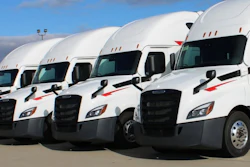
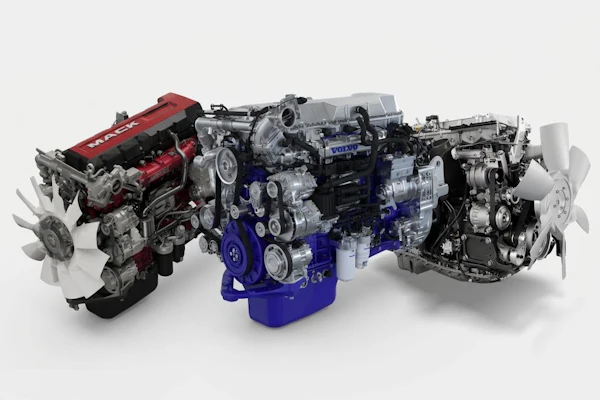
Unplanned vehicle upkeep further strained Covenant's cost structure. The average tractor age rose to 26 months, up from 22 months a year prior. Dedicated operations took on elevated expenses to prepare used equipment for sale and service specialized protein-supply chain routes.
General overhead costs failed to decline at the same pace as fleet downsizing. Weighted average tractors fell 8.6% across combined truckload operations year over year, meaning overhead was spread across fewer revenue-generating units.
Operational highlights and segment performance
- Truckload: Freight revenue dropped to $167.8 million compared to $173.4 million in the second quarter of 2025, primarily driven by an 8.6% reduction in average fleet size. However, average freight revenue per tractor per week rose 5.9% to $5,870.
- Expedited: Revenue declined 11.4% to $73.7 million as the segment transitioned. The average tractor count dropped 17% to 714 units, though revenue per tractor per week improved by 6.8%. The company successfully shifted 15% of its expedited fleet into multiyear committed contracts.
- Dedicated truckload: Freight revenue rose 4.3% to $94 million. Average revenue per tractor per week increased 8.6%, supported by expanded agricultural protein-related business and the exit of lower-margin non-specialized contracts.
- Managed freight: Freight revenue grew 28.4% to $99.5 million, aided by brokerage assets acquired in late 2025. However, margins were squeezed as capacity sourcing costs outpaced rate adjustments. The Managed Freight segment saw gross margins compress as the market turned upward. Because most customer contracts feature fixed rates while capacity is purchased on the spot market, rising spot rates outpaced Covenant’s ability to pass costs along to shippers. The segment also faces growing legal risk following the Supreme Court’s recent Montgomery v. Caribe Transport ruling, which opened freight brokers to state-level negligent hiring claims for carrier-involved accidents. Management warned that higher insurance requirements and expanded broker liability will present an ongoing cost headwind across the industry.
Strategic pivot and freight market outlook
Covenant continues to shift its business model away from volatile uncommitted freight toward multiyear contractual commitments. The company aims to have substantially all asset-based capacity under long-term contracts by the end of the current upcycle.
Looking ahead, management expressed optimism about industry supply dynamics, pointing to tightening driver capacity, regulatory enforcement, and rising carrier operating costs.
"I think this is a long-term, three or four-year super cycle," Parker told analysts during the call. "We got challenges, but I’m excited about where we are at. The rates are going to continue to go up because capacity has left, and capacity is going to continue to leave."
For the second half of 2026, Covenant expects net capital expenditures to range between $50 million and $60 million. Management anticipates steady sequential earnings improvements into the third and fourth quarters as rate increases phase in and elevated maintenance and claim expenses normalize