










Modern fleets are adopting AI-powered inspection tools to turn inconsistent pre-trip walkarounds into actionable, fleetwide maintenance data that lowers repair expenses and reduces downtime.
- Manual DVIRs fail at scale: The traditional walkaround relies on subjective human judgment, leading to missed defects, inconsistent reporting across shifts, and zero fleetwide visibility.
- Missed defects carry high costs: Fleets that maintain high planned maintenance ratios spend up to 35% less than reactive fleets, making early defect detection critical for protecting profit margins.
- AI introduces objective consistency: Automated, image-based inspections apply the exact same evaluation standard across every vehicle, pinpointing wear trends and new damage to specific drivers and dates.
- Inspection records become operational intelligence: Aggregating condition data across the fleet helps managers identify problematic routes, flag equipment failure trends, and build defensible compliance records.
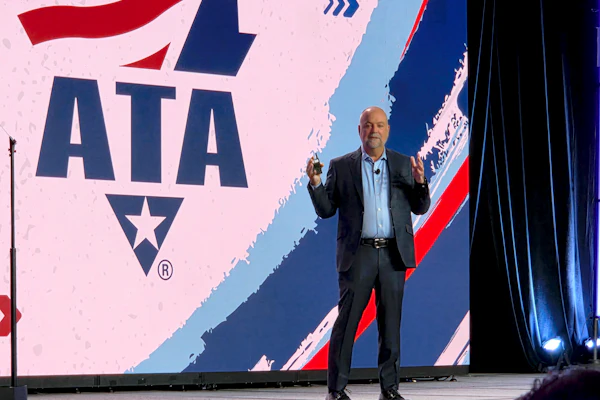
Fleet managers already know that keeping trucks moving is more difficult than it looks on paper. Operating costs per mile have hit record highs over time. The American Trucking Associations projects a driver shortage of 60,000 to 80,000 positions, with turnover at large carriers still averaging about 94% in long-term operations. More than 69% of fleets report trucks older than their normal replacement cycle. Under those conditions, a pre-trip inspection process designed for a steadier, simpler era of fleet operations shows its limits.
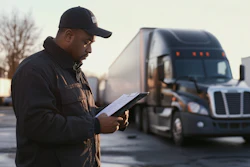
The daily walkaround has changed little in form since it was standardized. A driver circles the truck, checks major systems, notes any defects on a Driver Vehicle Inspection Report, or DVIR, and signs off. Done well, it works. The problem is that it does not work consistently, especially for large fleets with high driver turnover, multiple terminals, and trucks logging heavy miles under tight schedules. When the pre-trip process overlooks an issue, the resulting expenses are rarely limited to a single repair bill.
What the walkaround actually catches
A manual inspection is only as good as the driver completing it, the working conditions, and the time available. An in-depth inspection at the start of a shift in good light is a different exercise from a rushed check in a dimly lit lot before an early morning departure. Both produce a signed DVIR. Only one reliably detects developing problems.
The gap between what drivers are supposed to detect and what roadside inspectors actually find is not just a training problem. It is a structural problem of a process that relies on individual judgment applied consistently, at volume, under operational pressure.
The cost hidden behind missed defects
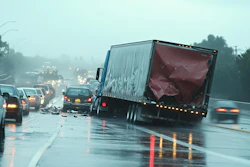
Every defect missed on a pre-trip check that is noticed during a roadside inspection incurs compounding costs. An out-of-service order pulls a truck from service at the worst possible time.
Fleets that achieve 80% to 85% planned maintenance ratios typically spend 25% to 35% less on total maintenance than those operating with higher reactive work rates, according to OxMaint. The gap between those two approaches is not primarily about shop quality. It is about how early problems are identified and whether the fleet has enough lead time to schedule repairs before a component fails.
Where the DVIR process falls short at scale
The standard DVIR works well for a small fleet where the same drivers check the same trucks regularly and a maintenance manager knows every vehicle personally. It breaks down when fleet sizes grow, driver turnover increases, and operations spread across multiple terminals.
The second problem is inconsistency across drivers and shifts. Some drivers are thorough while others are not, and there is no reliable way to tell the difference from a signed DVIR form. When a truck with a history of underreported issues receives a roadside violation, the inspection record shows only a series of clean sign-offs that provide no useful information about when the defect actually began.
The third problem is that the DVIR provides no fleet-level intelligence. A maintenance manager overseeing 75 trucks across three terminals cannot see which vehicles are logging marginal defect notes, which routes or terminals correlate with higher damage rates, or which drivers’ inspection patterns conflict with roadside findings. The data exists in individual forms but is not aggregated into actionable intelligence.
How AI changes the inspection process
The operational case for technology in truck inspections is practical, not just theoretical. Artificial intelligence-powered truck inspections shift the process from reliance on individual driver judgment to systematic, image-based analysis that applies the same evaluation standard to every truck during every check.
Comparative capability is where operational value grows over time. An AI inspection system that logs each truck's status at every check creates an ongoing record that makes changes visible and traceable. A tire trending toward minimum tread depth across multiple inspections triggers a flag before it becomes a safety violation. Damage visible between two specific inspections can be narrowed down to a specific date and driver. The inspection record becomes an actionable maintenance tool rather than a compliance document reviewed only after a failure occurs.
Combining automated damage detection with condition tracking across each vehicle's lifecycle, allows fleet operators to close the gap between what the pre-trip process formally captures and what actually happens to equipment between major maintenance intervals.
The primary value of AI inspections extends beyond individual defect detection. Maintenance planning becomes more data-driven, driver accountability improves, and the inspection function shifts from a compliance checkbox to a source of operational intelligence that guides fleetwide decisions.
What fleet-level inspection data makes possible
The long-term value of better inspection data goes beyond catching individual defects early. When condition information is collected consistently across a fleet, it creates a foundation for operational decisions that the standard DVIR process cannot support.
Which truck models experience brake issues at higher rates under specific operating conditions? Which routes or terminals cause elevated vehicle damage? Which drivers’ inspection records consistently align with roadside results, and which show patterns of underreporting? Fleet management software that connects inspection data with maintenance records, driver histories, and vehicle utilization surfaces trends that a manager reviewing individual DVIRs would miss.
Equipment inspected systematically and consistently costs less to maintain. It stays in service longer, causes fewer roadside disruptions, and creates the documented maintenance history needed during safety audits. For fleets trying to do more with existing resources, that combination of lower costs and better documentation is what the manual walkaround alone can no longer provide.