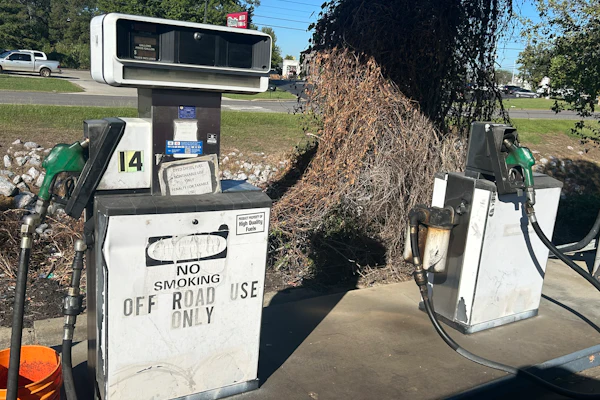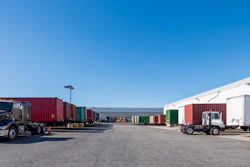











One thing the trucking industry knows is that fuel prices fluctuate, and sometimes those fluctuations are significant. Since fuel is a large portion of a fleet’s overall operating expense, high fuel prices can have a big impact on a fleet’s bottom line.
While fleets may have very little control over what they pay for a gallon of diesel, we have found through our more than 1,200 fuel economy tests that there are things fleets can do to ensure their trucks are getting as many miles per gallon of fuel as possible.
There are huge savings to be had moving your fleet from the industry average 6.9 mpg to the 9.0 mpg average achieved by Mesilla Valley Transportation, whose top drivers regularly achieve 12.3 mpg.
80 tips to maximize fleet fuel efficiency
Truck manufacturers are doing their part to help fleets improve fuel economy by building trucks today that are more aerodynamic than their predecessors. However, there are additional steps fleet managers can take to move the fuel economy needle.
Reducing aerodynamic drag on both the tractor and the trailer is how to see the biggest improvement in fuel economy and, therefore, is the best way to combat high fuel prices.
There is a wide variety of options available to fleets for addressing aerodynamic drag. This includes big items like skirts, fenders, roof fairings and trailer-tail devices, but also items that provide smaller fuel economy gains like mud flaps and wheel covers. These incremental gains, taken together, can pay big dividends.
Given that aerodynamic drag eats up a significant amount of fuel, any improvement in this area is a win. Consider investing in a variety of devices that can reduce fuel consumption but that also have a positive return on investment.
Tires and wheels are another place where fleets can see significant fuel economy gains. Low-rolling-resistance tires, tire-pressure monitoring systems and aluminum wheels all contribute to improved mpg. Even things like changing axle lubricant can lead to improved fuel efficiency in the 1% to 2% range.
Don’t discount the role of the driver in helping your fleet get more miles from a gallon of fuel. Fleets that focus on training, coaching and incentivizing drivers to operate their vehicles with fuel economy in mind report miles per gallon significantly above the national average.


There is no one solution for improving your fleet’s mpg. Each fleet needs to understand its current situation and then evaluate available options to determine which make sense given its loads, duty cycle and the terrain in which it operates.