The trucking industry knows how to move freight. We know how to manage complexity, solve problems under pressure and keep the economy moving through challenges that few industries ever see. But when decisions are made that shape our future, operational expertise must have a seat at the table. That is why showing up in Washington matters.
The Truckload Carriers Association’s annual Call on Washington and Fall Business Meetings, taking place Sept. 1–2 in Washington, D.C., provide our industry with a critical opportunity to bring the realities of trucking directly to lawmakers and policymakers. I encourage every trucking professional, from fleet owners and executives to operations leaders and safety professionals, to participate.
Advocacy is not simply about opposing regulations or asking government for action. It is about making sure decisions are informed by the people who live with the consequences every day: the carriers who invest billions of dollars in equipment, the drivers who deliver America's goods and the safety professionals who work tirelessly to improve our industry.
As TCA continues to strengthen its advocacy efforts, we are also taking an important step forward by establishing a political action committee. The PAC will provide our members with another meaningful way to support candidates and policymakers who understand the vital role trucking plays in our economy and who are committed to advancing policies that keep our industry strong, safe and competitive. Combined with our direct advocacy, it will help ensure trucking's voice remains influential where important transportation decisions are made.
We have seen what can happen when trucking speaks with a unified voice. Recent advocacy efforts have helped move forward important investments in truck parking, a long-standing issue that affects driver safety, retention and the efficiency of our supply chain. By making the case that safe and accessible parking is not a convenience but a critical piece of transportation infrastructure, the industry has helped elevate this issue among policymakers.

We are also seeing progress in developing new pathways into trucking through young driver apprenticeship programs. Creating opportunities for the next generation of professional drivers, while maintaining a strong focus on training and safety, is essential to building the workforce our industry needs for the future.
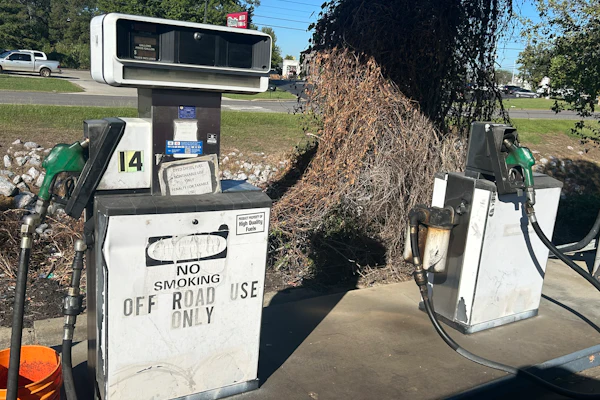
At the same time, trucking continues to lead through innovation. The industry’s efforts on testing and using alternatives to diesel fuel and utilizing various emerging technologies demonstrate our commitment to improving efficiency, sustainability and performance. But successful innovation requires policies that recognize the realities of freight operations, including infrastructure needs, technology readiness and the diverse missions of trucking fleets across North America.
These achievements did not happen by accident. They happened because members of our industry engaged, shared their experiences and made sure policymakers understood what was at stake.
This year's Call on Washington comes at a pivotal time. We will be urging Congress to pass a strong Surface Transportation Reauthorization bill that recognizes trucking's central role in the nation's economy and invests in the infrastructure, safety and workforce priorities our industry depends on.
We will also be advocating for the modernization of the Federal Motor Carrier Safety Administration (FMCSA), building on the recommendations outlined in TCA's recently released white paper. Modernizing the FMCSA is essential to creating a regulatory framework that is more efficient, data-driven, transparent and responsive to the needs of today's trucking industry while maintaining the highest standards of safety.
Along with these priorities, our conversations on Capitol Hill will continue to focus on issues that directly impact trucking's ability to operate safely and efficiently. Truck size and weight regulations, drug and alcohol testing policies, workforce development, supply chain efficiency, infrastructure investment, insurance challenges and regulatory reform all remain important priorities.
These are not theoretical debates. They influence how we hire drivers, serve customers, invest in equipment and compete in a demanding marketplace.
The reality is simple: If trucking professionals are not part of the conversation, decisions about trucking will still be made, but without the benefit of our experience.
The good news is that participation does not require a background in public policy. Your experience is your expertise. Whether you operate five trucks or 5,000, your perspective helps elected officials understand the impact of their decisions beyond the numbers and headlines.
Join us Sept. 1–2 for the Call on Washington. Bring your experience, your perspective and your voice. Together, we can continue advancing policies that strengthen trucking, support our workforce, improve safety and ensure our industry remains prepared to move North America forward.
To learn more and register, visit www.tcafallcall.com.