










Trucking news and briefs for Wednesday, April 8, 2026:
FMCSA proposes UCR fee increase for 2027 as 2026 remains unchanged
The Federal Motor Carrier Safety Administration is proposing to adopt a recommended registration fee increase from the Unified Carrier Registration (UCR) Board of Directors for the 2027 registration year.
In a notice of proposed rulemaking (NPRM) published in the Federal Register Tuesday, FMCSA said the UCR Board did not recommend any change in fees for the 2026 registration year, therefore the fees remained the same as the 2025 registration year. However, for the 2027 registration year and subsequent years, the UCR Board recommended a fee increase averaging 20%, with varying increases between $9 and $9,329 per entity, depending on the size of the fleet.
FMCSA noted that, even after the proposed increase, the fees for registration year 2027 would still be less than those in effect during registration years 2019 through 2022. UCR fees decreased between 2020 and 2024 before increasing by 25% for registration year 2025.
After no change for 2026, FMCSA is proposing to increase fees for 2027. UCR fees from recent years and the proposed increase are:

FMCSA is accepting public comments on the proposed increase here through May 7.
The purpose of the 2027 fee increase is to cover a projected $21.79 million shortfall in the statutorily required funding, FMCSA said. The projected shortfall is based on calculations showing that in 2027, the costs of making the required distributions to the states and administering the UCR Plan will exceed the revenues expected at the current fee levels.
In past years, including 2023 and 2024, these fees were decreased because of prior excess collections, unusually large fluctuations in registrant numbers, and changes in underlying economic conditions. As required by statute, the excess collections were returned to the industry, as the annual fees were reduced to account for the overcollection.
The UCR follows a two-year cycle when making fee recommendations, meaning that the collections for the 2025 registration year are used to calculate fees for the 2027 registration year, and collections for the 2026 registration year will be used to calculate fees for the 2028 registration year, and so on.

A three-month pre-registration window opens on Oct. 1 of the year prior to the registration year, and fees are due on Jan. 1 of the registration year but continue to be collected throughout the year. There is an audit and dispute resolution period in the calendar year following the registration year.
New Mexico blitz sidelines 59 trucks, 32 drivers
A week-long inspection blitz in Clayton, New Mexico, near the Texas and Oklahoma borders resulted in 59 vehicles and 32 drivers being taken out of service.
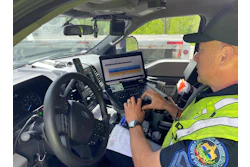
From March 29 through April 3, New Mexico State Police’s Commercial Vehicle Enforcement Bureau (CVE) and Criminal Enforcement Bureau (K9) units conducted conduct a focused Commercial Vehicle Enforcement Operation in Clayton. Strike Team officers, K9 officers, and transportation inspectors worked together to perform saturation patrols and establish temporary inspection sites on rural state roads throughout the Clayton area, NMSP said.
Operation results:
- Total commercial vehicle safety inspections: 698
- Vehicles out of service: 59
- Drivers out of service: 32
- Cargo checks: 175
- Moving violation citations: 286
- Equipment violation citations: 10
- Total CMV Citations: 301
- Transportation enforcement inspections: 285
- Overweight violations: 2
- Portable weighs conducted: 112
Trucking Cares Foundation supports Nebraska wildfire relief effort
The American Trucking Associations’ Trucking Cares Foundation recently donated $2,500 to the Nebraska Trucking Association to support the delivery of wildfire relief in the Cornhusker State.
“Having TCF join our relief effort is huge,” said NTA President and CEO Kent Grisham. “With that donation, along with the support coming in from individuals and companies, we are now able to double our initial commitment to our Trucking Heroes Wildfire Relief Fund. We are seeing trucks roll to the devastated areas from throughout the region, some of them making many roundtrips. Rebuilding our legendary grazing territory in the sandhills of Nebraska will be a long-haul effort for everyone, but I know our trucks will keep rolling for as long as it takes, like always.”
Wildfires ignited in western Nebraska last month and ripped across the plains, burning hundreds of thousands of acres in their path. Fueled by strong winds, the fires affected large swaths of ranch and pasture lands; destroyed homes, barns, and fences; and injured or killed livestock and wildlife.
With more than 35,000 cattle displaced and countless acres lost, demand is high for feed and supplies. Trucks are needed to transport it all, but the soaring cost of fuel is hampering the response.
To help, the Nebraska Trucking Association launched the Nebraska Trucking Heroes Stipend through its charitable arm, the Nebraska Trucking Cares Fund. Truckers, farmers, and ranchers who assist with transporting emergency relief supplies can receive aid to offset the high cost of fuel.
The stipend offers $0.50 per mile, up to 500 miles per trip, for truckers helping with wildfire relief in western Nebraska. More about the Nebraska Trucking Heroes Wildfire Relief Fund can be found here.
[Related: Nebraska’s wildfire emergency declaration extended]