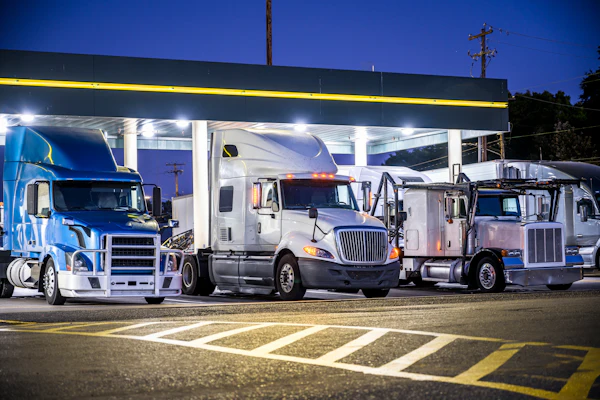
Officers ordered more than 10,000 commercial vehicles and 3,100 drivers off the road during Commercial Vehicle Safety Alliance's (CVSA) annual International Roadcheck blitz.
Certified inspectors conducted 54,575 roadside inspections across North America during the three-day campaign, according to data released by CVSA Tuesday.
About 81% of inspected vehicles and 94.2% of drivers had no critical violations and inspectors affixed 17,680 decals across the U.S. and Canada during the campaign. Mexico does not participate in the decal program.
Related: FMCSA overhauling DataQ system
Safety risks sidelined 10,350 commercial motor vehicles and 3,184 drivers.
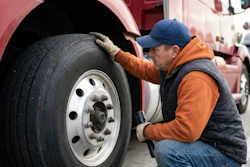
Brakes remained the leading reason vehicles were removed from service. Brake system problems and defective brakes—where at least 20% of a vehicle's brakes have an out of service condition—collectively accounted for 5,451 violations and 39.1% of all vehicle out of service orders. Tires (20.9%) were the second most common mechanical issue, followed by cargo securement (12.4%) and lighting problems (11.9%).
Inspectors placed a special emphasis this year on cargo securement, citing 1,724 out of service violations for freight that was improperly tied down, restrained or monitored.
Related: Check out our how-to guide for filing a DataQ
Operating without a valid medical card led the list of driver-related offenses, accounting for 27% of all driver OOS orders. Other leading infractions included violations of hours of service limits (23.4%), driving without a commercial license (15.6%), English proficiency issues (9.1%) and falsified logs (6.7%).
Inspectors also targeted tampering with electronic logging devices this year, issuing 146 out-of-service orders.
Officers also issued 667 seat belt citations across the three countries.
During hazardous material sweeps, inspectors reviewed 2,590 transport vehicles, identifying 141 hazmat-specific violations. Missing or improper warning placards represented the bulk of those citations. Inspectors also examined 458 passenger-carrying vehicles, issuing 28 vehicle and eight driver out-of-service orders.