










I’ve been reading several articles about the top 10, 50 or 100 ways for fleets to improve their fuel efficiency. The articles tend to contain good ideas, supported, in my experience, by real-world use cases and occasionally even referencing NACFE research. Quite frankly, just caring about fuel efficiency is probably a great place to start.
What the collected MPG improvement wisdom leaves out is that your choice today on improving fuel economy for your truck in your operation has a much bigger footprint than you might realize.
Let’s say your old truck is averaging 80,000 miles per year at 7 MPG. That translates into about 11,400 gallons of diesel used per year. Let’s say diesel for the year costs you $4.50 a gallon, so the net cost of your fuel for the year is just north of $51,000. If you can get just one extra MPG out of your truck, you save 1,400 gallons and $6,400.
NACFE has reported on several examples of well-driven, late-model aerodynamic trucks paired with skirted trailers that see better than 10 MPG in real-world, long-haul operations. At 10 MPG, you would save 3,400 gallons of diesel and reduce your costs by more than $15,400 versus your 7 MPG truck.
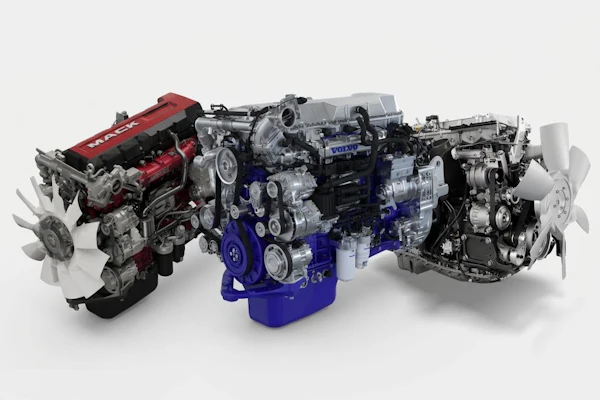
The best recommendation for improving fuel efficiency I’ve always heard is, “Just buy a new truck.” This is particularly true for those fleets running older equipment. It’s less true if your fleet is replacing its trucks every two to five years, but it is still relevant.
But — and this is the part that seems to be often missed in stories — that new truck will have more than one owner over its lifetime. A truck bought today will likely have multiple owners over at least a 10-year productive life, possibly as many as 25 years. The freight industry tends to celebrate million-mile safe truck drivers all the time, but consider the impact of a million-mile truck that went through multiple hands. Over its lifetime, a 2027 model-year aerodynamic flyer likely will save money for all of its owners in whatever duty cycles they use it for.

Your decision to buy a new truck today has downstream benefits to whoever owns your used truck. It’s not altruism. This is about basic economics. Supply and demand market forces greatly influence the price of commodities like diesel fuel. If your new 2027 model-year truck uses less fuel, that means the industry is using less fuel. There is less demand on refineries and supplies. Buying a new truck inherently lets you place downward pressure on fuel prices for the industry.
In 2027, if the OEMs build 250,000 new trucks, those new truck owners each are reducing their own fuel expenses. But as a group, they are all helping reduce fuel use every year the truck is in operation for whoever owns it.
NACFE has reported in its Fleet Fuel Studies over the years that average fleet fuel economy of the industry has been improving. Each upward tick in that average MPG translates directly into less demand for fuel not just for a year, but for all the future years those trucks operate.
Various analysts have estimated the average lifetime of Class 8 trucks. Attrition through accidents and excessive use tends to whittle down the number of vehicles over time. For the U.S. market, one group believes most trucks have a 15-year productive life. Another group estimates the average age of the U.S. fleet at about seven years. That means that approximately half the trucks in the fleet are younger than seven years and half are older. But we see a lot of trucks in use that are more than 15 years old. Not just the pride and polish ones, but trucks that work every day.
Trucks have the ability to be serviced and rebuilt somewhat indefinitely. For example, the average age of trucks in Australia was estimated a few years ago to be 16 years — hinting at what longevity can be.
Your decision to buy a new truck affects every owner downstream long after you’ve traded in that truck. Your decision inherently helps put downward pressure on diesel demand and pricing for the entire industry. Conversely, your decision to continue to run a 10-year-old truck today is helping maintain fuel demand at its current levels. Your decision not to scrap an old vehicle has a lifetime influence on diesel demand.
Then there are the fleets choosing to go with alternative fuels like renewable natural gas, renewable diesel, electricity or hydrogen. Each decision to switch from diesel to a renewable fuel directly reduces the industry’s overall demand on fossil-based diesel. Love them or hate them, those fleets choosing alternative fuels are helping you by reducing the demand for diesel.
Frankly, every diesel truck operator probably should celebrate those fleets choosing renewable alternative fuels. Every mile powered by an alternative fuel reduces demand for diesel, and that should help reduce the cost of your diesel at the pump.
Picture a future where 10 percent of Class 8 trucks are running on renewable alternative fuels. What does that mean to the supply-and-demand economics of producing diesel? What will that mean to your bottom line running your diesel truck?
Buying a new truck and getting better fuel economy is so much more than just about your one truck, or this year’s operating costs.
There are many reasons to encourage the use of renewable alternative fuels. They are better for our health, they reduce our dependence on foreign sources, they tend to have less volatile pricing in troubled times, they increase employment, and more. But the chief selfish reason to care is that ultimately, growth in renewable alternative fuels will reduce your diesel costs.