










Knight-Swift Transportation (CCJ Top 250, No. 4), on Tuesday voiced its support for a proposed merger between Union Pacific Railroad and Norfolk Southern Corporation.
The largest full-truckload carrier in the country is the latest trucking giant to throw its support behind the deal that Adam Miller of Knight-Swift called "a significant breakthrough in U.S. freight transportation."
"By knitting together a coast-to-coast rail network, Union Pacific and Norfolk Southern are creating new efficiencies that will benefit everyone – from logistics providers like us, to our customers, to the end consumers," Miller added.
C.R. England (No. 32), one of the nation’s largest refrigerated trucking carriers and intermodal logistics providers, last month threw its support behind the proposed merger. C.R. England Chief Operating Officer Zach England said a seamless coast-to-coast rail carrier "is something we’ve dreamed about for years."
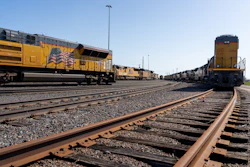
Union Pacific Corporation and Norfolk Southern Corporation in July announced an agreement to create America’s first transcontinental railroad – an $85 billion deal that connects more than 50,000 route miles across 43 states from the East Coast to the West Coast, linking approximately 100 ports and nearly every corner of North America. The deal still must be approved by the Surface Transportation Board.
For Knight-Swift Transportation’s intermodal customers, Miller said a unified transcontinental railroad promises shorter transit times and simplified logistics. Freight that used to interchange between separate railroads mid-journey will now stay on one rail line all the way from origin to destination, eliminating handoff delays. This improved service means shippers can capture significant efficiency gains.
"As a company that operates thousands of trucks and thousands of intermodal containers, we know the power of combining modes," he added. "This unified rail system will let us seamlessly integrate our trucking with rail on cross-country shipments like never before. The result will be faster deliveries and lower fuel usage, which is great news for American businesses.”