High diesel prices and increasing over-the-road trucking costs are applying pressure to the freight market, prompting a window of opportunity for intermodal.
According to Uber Freight’s Q1 Market Update Report, abundant intermodal capacity and competitive pricing have created an opportunity to secure lower rates before a projected 3%-5% intermodal rate increase in the second half of the year.
“It’s creating a real opportunity for shippers to revisit intermodal,” said Paul Johnson, VP of intermodal pricing at Uber Freight. “In recent weeks, we’ve seen a notable increase in customers asking about intermodal pricing. They want to know how intermodal can deliver great savings.”
Smaller truckload carriers and owner-operators, who lack formal fuel surcharge protection, face financial pressure from rising diesel, and that sustained high diesel historically drives carrier exits that further tighten capacity, the report noted.
Besides shippers conveying more interest on intermodal pricing as a result, Johnson noted heightened fuel prices can impact intermodal long term. “While intermodal is more fuel-efficient per mile, we could see a rise in intermodal costs as well.”
There’s overlap between the timing and longer-term forces at work, the report noted. With roughly 194,000 drivers projected to exit the market due to regulatory enforcement of the non-domiciled CDL rule, and carrier exits increasing, Johnson said if "truck capacity stays constrained, that could continue to push more freight toward intermodal over time.”
Get 80 tips to boost your fuel efficiency
Fuel costs have accelerated that conversations recently, he noted. “A structural shift is possible longer term, but the current uptick reflects market conditions at play.”
Uber Freight’s April economic and market update indicate that intermodal rates started to increase following rising truckload rates and higher diesel costs. According to the report, in March, the intermodal average rate per mile climbed 7% month over month and 9.2% year over year, primarily due to fuel prices.

When fuel is excluded, rates still edged up 0.8% for the month and 2.1% year over year. “Given the continued tightness in the truckload spot market and rising contract prices, intermodal rates are projected to keep rising as well,” it said.
[RELATED: How weigh station and toll bypass tech help fleets save on fuel costs]
A window before rates rise
In its State of Freight webinar in April, FTR CEO Jonathan Starks noted that intermodal rates forecasts are expected to mirror truckload contract rates.
“The one thing we don’t know yet is how the railroads themselves could potentially adjust their pricing and get better pricing mix built out in 2026,” said Starks.
“They may see this as an opportunity to grow share and volume, especially with elevated fuel pricing likely to persist for a period of time. And if that’s true, then that would hold down the increases in intermodal rates for a period of time and make intermodal more competitive relative to over-the-road truckload.”
The second quarter is worth watching, Starks said, to see how railroads respond, and see if they actively try to take more advantage of the high-fuel environment.
Big fleets doubles down on intermodal
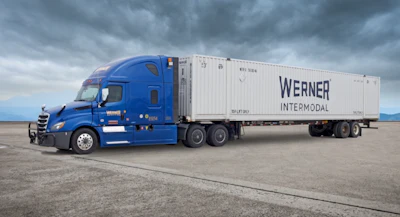
Intermodal is “seeing strong momentum” in Werner (CCJ Top 250, No. 14), said Chairman, president, and CEO Derek Leathers, in a call with analysts discussing first quarter financial results. “So far, the recovery in rates has largely been supply-driven as capacity continues to exit at an accelerated pace due to regulatory enforcement.”
Intermodal revenues accounted for roughly 15% of the logistics segment, rising 18% and driven by a 22%increase in load volume.
According to release in April, the carrier is expanding its intermodal presence in Mexico, with plans to deploy 400 additional, 53-foot containers into the market. With currently 400 containers in the fleet, the company will double its capacity by the end of 2026.
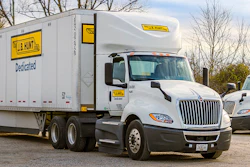
J.B. Hunt Transport (No. 5) also saw strength in its intermodal segment, according to latest financial results. The carrier reported a 21% year-over-year jump in intermodal operating income in the first quarter, driven by a 3% volume gain, cost cuts, and improved productivity.
J.B. Hunt Intermodal President Darren Field called it a record first quarter for volume and noted the company’s plan to grow into its existing capacity. “We think our network can support up to 20% more volume,” he said.
The carrier posted intermodal operating income of $114.5 million, with segment revenues reaching $1.5 billion, up 2% year over year, marking the first time both volume and operating income improved year over year since 2022.