










The Environmental Protection Agency will revoke this week a scientific finding that underpins U.S. climate regulations and the government's ability to regulate greenhouse gases.
The White House announced that President Trump and EPA Administrator Lee Zeldin on Thursday will formalize the rescission of the 2009 Obama-era endangerment finding.
[Related: Truck aftertreatment systems are here to stay]
Zeldin has previously claimed rescinding the Endangerment Finding and resulting regulations would end $1 trillion or more "in hidden taxes on American businesses and families.”
The Trump administration targeted for repeal last July the Endangerment Finding, which has allowed presidential administrations to regulate six greenhouse gases (carbon dioxide, methane, nitrous oxide, hydrofluorocarbons, perfluorocarbons, and sulfur hexafluoride) since 2009.
Such a measure, when finalized, could wipe out EPA’s greenhouse gas (GHG) rules for medium-duty vehicles and heavy-duty vehicles and engines, including standards first set in 2011 and those scheduled to take effect through the next decade. EPA said previously that it intends to separately reconsider its GHG standards.
Repealing the endangerment finding will likely face legal challenges from numerous environmental groups.
What is GHG3?
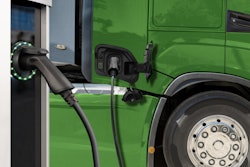
EPA in 2024 set strict emissions standards for heavy-duty trucks covering model years 2027 through 2032. The more than 1,100-page final rule called for 25% of new heavy trucks sold in the U.S. to be zero emission by 2032.
Zeldin in March announced his office would reconsider the Greenhouse Gas Emissions Standards for Heavy-Duty Vehicles – Phase 3 (GHG3) final rule, and revisit portions of the Biden-era "Clean Trucks Plan," which includes the 2022 Heavy-Duty Nitrous Oxide (NOx) rule.
The Clean Freight Coalition, American Trucking Associations and Truckload Carriers Association are among a long list of industry stakeholders who opposed GHG3 and its reliance on zero-emissions technologies that are currently both unproven and expensive.

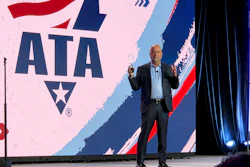
American Trucking Associations President and CEO Chris Spear called the GHG Phase 3 rule "disastrous" and an "electric-truck mandate [that] put the trucking industry on a path to economic ruin and would have crippled our supply chain, disrupted deliveries, and raised prices for American families and businesses."