











When will the transportation industry finally overcome weak freight demand and soaring inflation? For now, a 2026 turnaround remains uncertain, causing many fleets to delay investing in new equipment and expansion.
When seeking new efficiencies to safeguard margins, there's a fine line between eliminating waste and sacrificing quality. If the latter occurs in key areas such as safety, customer service, and driver satisfaction, it could increase costs.
Some compromises are unavoidable when revenues are flat or declining. For example, a 2025 driver survey by CCJ found that nearly two-thirds reported not getting a pay raise from their carriers in the past two years.
In this high-stakes environment, a key trait among the most resilient fleets is implementing tighter cost controls with custom mobile driver apps. Let’s explore seven ways this technology helps keep budgets intact by reducing operational leaks and waste.
1. Lower insurance costs
Insurance costs have risen 36% per mile over the past eight years. In the first two months of 2025, the American Trucking Research Institute (ATRI) reported that carriers’ insurance premiums increased by 5.8% on average.
One way to reduce risk and insurance costs is to provide drivers with daily feedback so they can recognize and correct risky, expensive behaviors on their own.
Chattanooga, Tenn.-based U.S. Xpress, one of the largest truckload carriers, adopts this proactive approach. Its custom fleet app, built on the Eleos platform, provides drivers with performance scorecards that include metrics for braking, idling, and fuel use. If trends are moving in the wrong direction, the app offers quick coaching tips and training videos.
Additionally, the app connects with the fleet’s compliance systems, stopping drivers with expired credentials or unresolved violations from being dispatched. This improves visibility and speeds up response times, helping to prevent violations that impact CSA scores and insurance premiums.
2. Decrease fuel costs
Volatile fuel prices don’t have to result in uncontrolled costs. Knight-Swift Transportation (No. 3, CCJ Top 250), the world’s largest truckload carrier, effectively manages fuel expenses by using its custom app to give drivers expert route and fuel guidance.
The app coordinates drivers’ trip planning with the company’s fuel networks and mileage-saving, truck-safe routes. The fleet also offers driver performance scorecards, which display MPG data alongside peer comparisons and gamified performance goals, making efficiency a regular part of daily operations.
With drivers striving for rewards, the fleet has experienced improved route compliance and lower fuel costs.
3. Comply with PM schedules
An unexpected breakdown or repair can erase hard-earned gains and potentially endanger a customer relationship.
Shifting from reactive to predictive maintenance is straightforward with custom mobile apps. By linking a fleet app to maintenance and office systems, drivers can automatically get equipment service alerts and use a driver vehicle inspection report (DVIR) process that allows technicians to monitor and update repair statuses.
For example, many fleets have an in-app notification system that lets drivers monitor their trucks' progress through maintenance, from reporting a defect on a DVIR to shop completion. This system coordinates dispatch and maintenance schedules, keeping drivers and fleet managers informed and preventing anything from being overlooked.
4. Close the cash flow gap
When signed bills of lading and other delivery documents are left in the truck cab, load revenue is delayed rather than deposited into your bank account. Drivers may also face late payments, which can lead to overall cash flow problems.
Groendyke Transport (No. 84), a tank truck carrier based in Enid, Okla., addresses this challenge by giving drivers an integrated scanning tool that lets them submit paperwork through its fleet app. If anything's missing, the app automatically prompts them to complete the step before moving on to their next load.
With this mobile process, the office can bill immediately after delivery and ensure drivers don’t miss out on payment for a load before its weekly payroll cutoff.
On a related note, drivers often wait for approvals and depend on dispatchers to manage late-night calls for over-the-road expenses, while fleets track down receipts. Lumper payments are a prime example.
K&B Transportation (No. 120) resolved the lumper payment issue with its custom fleet app. Drivers request payments and upload receipts directly through the app, streamlining transaction verification and approval, saving time, and preventing fraud.
5. Real-time safety and compliance
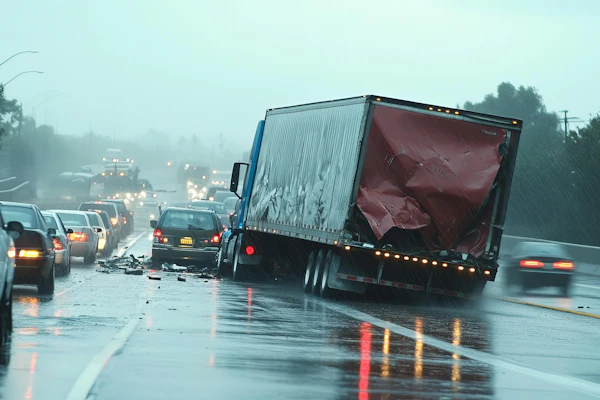
Safety and compliance processes aim to change behaviors. For instance, to prevent weather-related accidents, K&B Transportation required a more effective way to communicate time-sensitive information across its fleet.
The company added weather and safety alerts to its app. The alerts effectively prevent drivers from accessing other app features until they acknowledge the message notification that takes over their screen.
K&B Transportation credits its weather alerting system with an 80% year-over-year decrease in DOT-reportable accidents.
Additionally, fleets can develop workflows that integrate real-time driver performance and event data from dashcams and telematics systems with tasks they need to complete, such as coaching and training. This process helps turn mistakes into learning opportunities that positively influence behaviors.
6. Drive more, idle less
Idle time and empty miles often seem like just part of the job, but they present a significant opportunity to save costs.
Ezzell Trucking, a mid-sized trucking fleet based in Harrells, N.C., changed the game for its drivers by implementing a custom app. Within a month, the fleet cut dwell time by up to 60 minutes per load, giving each driver an extra hour of driving time daily.
The app connects to the TMS and maintains synchronization even when plans change unexpectedly.
Similarly, Fraley & Schilling (No. 124), a truckload fleet based in Rushville, Ind., with over 650 trucks, significantly cut idle time by adopting a self-dispatch system for its drivers. Using the fleet’s custom app, drivers choose their next load at a shipper, confirm availability, and hit the road—without involving the office.
7. Improve retention with trust
Driver retention remains a financial concern, especially during a downturn in the freight market. Replacing a driver can cost over $10,000, covering recruiting, onboarding, and lost productivity.
That’s why Redmond, Oregon-based Central Oregon Truck Company aimed to reduce friction for drivers with an app that integrates load details, scanned documents, training, clear pay information, and more. The fleet credits the technology for an 18% drop in turnover.
In a challenging freight market, Tulsa, Okla.-based flatbed carrier Melton Truck Lines (No. 71) improved transparency by sharing freight demand maps with drivers through the app’s newsfeed. This allows drivers to plan their week more effectively by knowing when to drive, when to rest, and where to go next. Better visibility into freight demand builds trust and reduces churn.
Having a unified mobile platform makes a driver’s job easier, more efficient, and enjoyable. The benefits grow with every interaction—whether it’s a route update, a document scan, or a maintenance alert.
The best-run fleets today are not waiting for the economy to get better. They’re advancing with connected systems, such as custom mobile apps, that improve cost control and visibility, helping them grow stronger and take advantage of opportunities along the way.