










- Prolonged energy shock, not a short-term blip: Diesel averaged $5.64 per gallon nationally as of early April and FTR analysts warn the Iran conflict has set crude oil markets on a path of volatility that will pressure carrier margins.
- Capacity tightening: Truckload employment has fallen to its lowest point since February 2014, and regulatory crackdowns are compounding the shortage.
- Tariff clarity sparks a Class 8 order surge, but cost pressures linger: Orders jumped 137% year over year in March after OEMs adjusted pricing that landed in the mid-single-digit percentage increases range—far less than feared. However, as production volumes rise, heavier reliance on Mexican manufacturing and looming 2027 EPA NOx regulations keep costs uncertain.
The freight outlook isn’t looking particularly strong, according to FTR analysts, driven by pricing pressure and capacity constraints.
In the State of Freight webinar last week, FTR CEO Jonathan Starks noted that the goods transport sector, which excludes non-freight producing services and includes the freight-driving sector, went through significant volatility during 2025 and has not yet built real momentum heading into 2026-2027.
Diesel prices, insurance costs squeeze margins
Persistent high energy prices are a major factor in diminishing the consumer spending that is needed to fuel a broader recovery, analysts said.

The Iran conflict triggered extreme volatility in crude oil markets, affecting the entire transportation sector.
“The last few days have seen ups and downs that we haven’t seen since April of 2020 when the price of crude actually went negative for a day,” said Avery Vise, vice president of trucking at FTR.
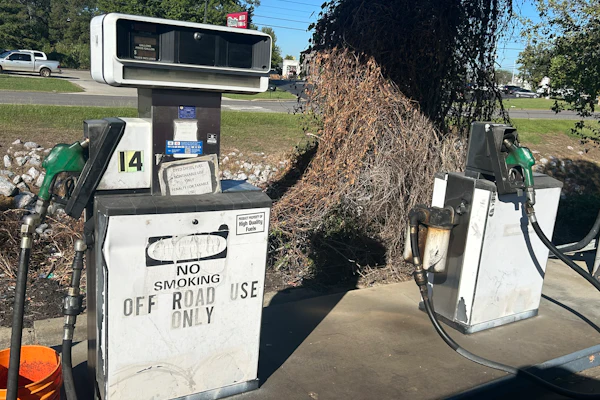
Diesel prices have averaged $5.643 per gallon nationwide as of April 6, up $2.004 from a year ago, according to the most recent update from the U.S. Energy Information Administration.
Starks said this impact isn’t a short-term blip.
“We are anticipating a very elevated, rising environment for the energy markets to persist for a very prolonged period of time, no matter what ... the timing of the resolution of stuff in Iran actually looks like,” he said.
Vise, pointing out regional variation, said diesel prices have been the highest cost pressure for fleets.
California reached a record price ($7.567 as of April 6), up $2.74 from a year ago, as had the rest of the West Coast ($6.924, up $2.606). The Gulf Coast, one of the heaviest diesel-consuming regions for transportation reached $5.415, up $2.077 from a year ago.

Insurance was the second major cost pressure, Vise said. The latest data, provided for January, indicated that trucking insurance premiums had risen above pre-pandemic levels.
Tariffs and EPA rules reshape Class 8 truck costs
The tariffs on truck parts and equipment and the upcoming EPA NOx regulations also represent significant future cost increases for the industry.


On Nov. 1, the Trump Administration implemented 25% Section 232 tariffs on medium and heavy trucks and parts (Classes 3-8). Dan Moyer, senior analyst of commercial vehicles at FTR, said initial fears of dramatic cost increases proved overblown.
“There were some deferred orders that were not being placed earlier in the order season for 2026," he explained. "Once this tariff was implemented and people were able to crunch the numbers and OEMs released their adjusted pricing, it turned out less impactful than could have happened.”

Moyer said the net cost increase landed in the “mid-single digit” percentage range. Tariff impact softened as not all components are sourced internationally, and OEMs had some flexibility in absorbing costs and adjusting pricing.
However, Starks pointed out that as truck demand ramps up, OEMs will eventually need to lean more heavily on Mexican manufacturing capacity. One OEM was already opening a new truck plant in Mexico in July to support North American production.
As production volumes climb, a higher percentage of output will be sourced from Mexico, analysts said. While the immediate tariff impact is manageable, the long-term cost remains unclear.
The cost of upcoming EPA NOx regulations taking effect in 2027 appears to be easing as rough estimates have dropped to $10,000 to $15,000 per truck in costs from a previous range of $20,000 to $30,000, Moyer said. Final details from the EPA are expected later this month.
The tariff and regulatory clarity brought a surge in Class 8 truck orders, with orders up 137% year over year in March. Moyer said it could be sustainable if rates and manufacturing outputs continue to improve.
Tight capacity and rising rates
As for capacity, Vise said truckload employment is at its lowest since February 2014. The regulatory environment, particularly the crackdown on non-domiciled CDLs and English language violations, is “putting pressure that isn’t normally there when it comes to adding capacity,” Vise said.
Rates are rising due to volatility in diesel prices and tightening capacity, he added. The all-in spot rate is the highest it’s been since 2022.
Flatbed rates, driven by data center construction, are high and continue to rise. Dry van spot rates had reset sharply after a major winter storm, then held at elevated levels rather than retreating, running 20%+ year over year. Refrigerated spot rates told a similar story of strong year-over-year gains, with a spike, followed by some moderation, then a recent uptick that could be partly attributed to Easter timing, running 30%+ year over year.