










The next freight market upturn is going to be a wild truck ride. Everyone wants to be the person who predicted the turnaround in the truck market. To some extent, the endless predictions in the news are like watching a dog bury bones in the backyard, and then someone being amazed when the dog digs up one. If you plant enough bones, or make enough predictions, eventually you will be right. And then you can boast that you “were the one who accurately predicted the turnaround.”
A turnaround in the market is inevitable. When is open to debate. But when it happens, there will be clear consequences.
The emphasis on reducing the driver pool over the last year will mean fewer legal, licensed drivers will be on-deck when a major market upswing occurs. This will invariably lead to shortages in truck driver availability which will drive freight costs up. Freight volumes will be capped by the capacity of available drivers. Shippers will start using alternative modes to transport freight, like trains, or shipping containers to different ports, and in some cases may drive growth in air freight just to get freight to its destination when needed.
The reduction in available driver training schools and an increased emphasis on quality training will dampen the speed at which the driver availability vacuum can be filled. This will give drivers increased leverage to negotiate better pay from fleets. Searching for better pay will make driver retention much more difficult. Fleets will be competing much more for drivers and drivers will have much less need to stay put if they become unhappy with pay or other factors.
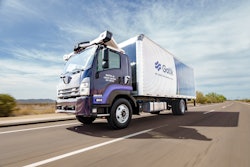
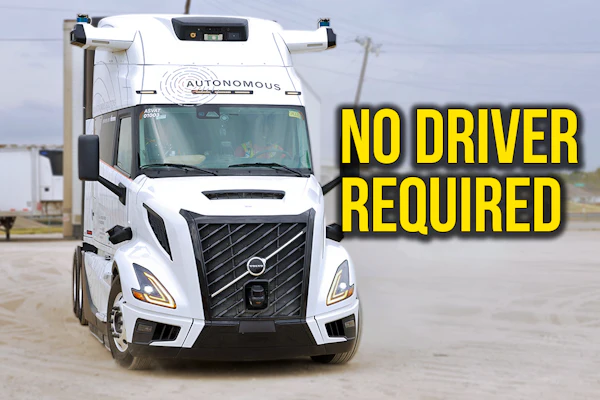
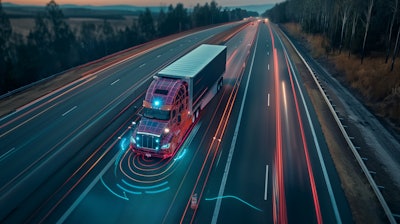
The eventual freight market upswing will fall right on top of the introduction of production autonomous trucks. A massive need for drivers will likely make fleets very receptive to trying autonomous trucks. Autonomous truck providers likely will be able to get premiums for their vehicles. Those companies providing the AV technologies likely will see their stock prices soar. Mergers, acquisitions and public stock offerings will likely increase to take advantage of the market conditions.



What about trailers? A sudden freight market rebound will likely drive a much too late investment in trailer manufacturing. Too late because the lag time between placing orders and getting significant volumes of new trailers built may mean they arrive on the downside of the next freight market peak.
Truck makers in the next market upswing will be scrambling to increase factory capacity. They will be adding shifts at their plants and their supply chain partners will be adding shifts as rapidly as they can. The inertia here, like with trailers, may be moderated as OEMs try not to overshoot the market by adding too much capacity, too late in the upswing, forcing downstream layoffs and capacity reductions.
Used truck pricing likely will take off as those trucks are built already and available to buy. As the used truck market heats up, fleets will be more likely to hang onto their available capacity, so the average age of trucks will increase. Maintenance costs invariably increase with age and use, so fleets will see increases in maintenance costs during a freight market upswing. Technicians will be in even greater demand and will be able to ask for and get wage increases. The parts divisions of the big OEMs will see growing profits helping keep older trucks racking up more miles.
New truck pricing likely will have to absorb all the costs of ramping up factories to support increased demand. A market upswing also will put dealers in the driver’s seat on pricing, able to command better premiums for builds slots at the OEMs.
The next market upswing will create truck supply and demand challenges making fleets look to new suppliers to help fill their needs. Those vehicle builders like Tesla, Windrose and others may see huge opportunities to make sales as fleets scramble to find new trucks. The phrase “a rising tide raises all boats” will apply. Those infrastructure projects that are already in place will be in high demand. New money will flow into building more infrastructure as rapidly as possible. On-site micro grids will speed up deployments that can’t wait on utilities to build out the grid. Battery storage, wind, solar, natural gas and other on-site alternatives will fill gaps.
Many things will be impacted by the next freight market upswing. Those OEMs, suppliers, fleets, drivers and technicians that plan ahead will be much better positioned to take advantage of the opportunities and challenges.
Its not a matter of if, but when.