










Shifting tariffs policy and environmental and safety regulations, along with economic headwinds and market conditions shaped merger and acquisition activity in the transportation sector in 2025.
According to Tenney Group’s 2026 M&A report, global deal transactions in the sector steadily declined from 1,797 deals in 2021 to 1,150 in 2025.
It was a year marked by “adjustment rather than recovery,” the report noted, as the industry grappled with the ongoing freight recession and tariff-related uncertainty, creating challenging conditions for M&A deals.
Even so, dealmaking continued.
A focus on specialized services emerged as a defining theme for the year. Acquirers targeted companies with recurring demand, pricing power, and defensible service models.
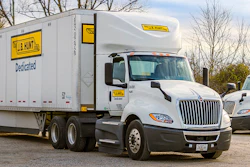
Niches such as pharmaceutical and healthcare logistics, dedicated transportation (such as the Hub Group-Marten Intermodal acquisition and Enterprise Mobility’s acquisition of Hogan Transports), and reverse logistics remained highly attractive.
“Threat of tariffs and all of the disruptions that it caused was not helpful,” Avery Vise, vice president of trucking at FTR Transportation Intelligence, said during a panel that discussed the report.
Uncertainty on tariff policy created challenges in projecting revenues, margins and customer demand, the report noted. This led to a widespread pause in dealmaking in the industry.
“Several quality companies ran out of time and filed bankruptcy before a deal could be finalized,” it said.
Additionally, the report noted that tariff policy increased the scope, duration and cost of due diligence, which both postponed and, in some cases, caused buyers to walk away.
Peter Stefanovich, president at Left Lane Associates, previously pointed out that firms were offering a full tariff analysis for customers as buyers looked at factors such as the companies’ exposure to trade policy.
Another point of uncertainty last year was environmental regulations. Though there has been growing clarity, the industry faces cost shifts on R&D investments and potential price increases, Vise noted.

2026 outlook: policy-adaptive companies and a surge in Q4
Tariffs and the industry’s cautious outlook contributes to an “analysis paralysis,” said Thom Albrecht, chief revenue officer at Reliance Partners. Key factors such as aging equipment, thinner margins and increased carrier exits create motivated sellers and buyers, he added.
Tenney Group’s report said companies designed to navigate policy changes — especially specialized freight brokerages with embedded managed transportation — will bring substantial investor interest.
Widespread M&A throughout supply chain technology will also intensify as buyers seek advantages through consolidation instead of adding individual expansion. The cross-border and nearshoring logistics sectors are also worth watching, especially firms that can navigate regulatory challenges and operational risks.
However, three categories are expected to resist consolidation: pure spot truckload businesses, generic freight brokerages, and standalone freight technology platforms without proprietary or defensible data.
Tenney Group expects market conditions to improve and to see a boost in M&A in Q4 2026 and continuing into 2027.
Several significant M&A deals have already taken place since the start of the year:
- Werner Enterprises’ (CCJ Top 250, No. 14) acquisition of FirstFleet (No. 48) for $245 million, expected to grow its Dedicated revenues by approximately 50%.
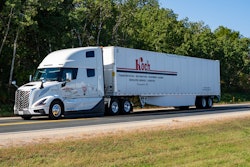
- Koch Companies (No. 86) acquired Murfreesboro-based Store Opening Solutions (SOS) from Marmon Holdings, Inc., to double its nationwide warehousing and fulfillment footprint.
- USA Truck (No. 66) was acquired by a private entity formed by industry veterans from Danish global transport and logistics company DSV.